Venice Guide and Boat
Sustainable Tourism in Venice: How to Visit the City Responsibly and Experience the Real Venice
Venice is in a paradox. It is one of the most visited cities on earth — welcoming somewhere between 25 and 30 million visitors a year into a historic centre with a resident population of fewer than 50,000 people — and it is also one of the most fragile. The same qualities that make it irresistible to travellers: the water, the architecture, the density of art and history, the sheer improbability of a city floating on a lagoon — are precisely what make it vulnerable to the pressures that mass tourism generates.
This is not a new problem. Venetians have been debating the relationship between tourism and the city’s survival for decades. But in the years since the pandemic, the conversation has changed in character. Overtourism — the phenomenon in which the number of visitors actively degrades the quality of both the visitor experience and the lives of residents — has become a central concern not just for city administrators but for the travellers themselves.
More and more visitors arrive in Venice wanting something different from the standard tourist itinerary. They want to experience the city in a way that feels authentic, that benefits the people who live there, that treads lightly and looks carefully. They are looking, in short, for sustainable tourism — and Venice, perhaps more than any other city in the world, both needs and rewards exactly that approach.
This guide explains what sustainable tourism in Venice means in practice, why it matters, and how Venice Guide and Boat’s dedicated programme of responsible travel experiences makes it accessible.
The Reality of Overtourism in Venice
To understand why sustainable tourism matters in Venice, it helps to have a clear picture of what mass tourism actually does to the city.
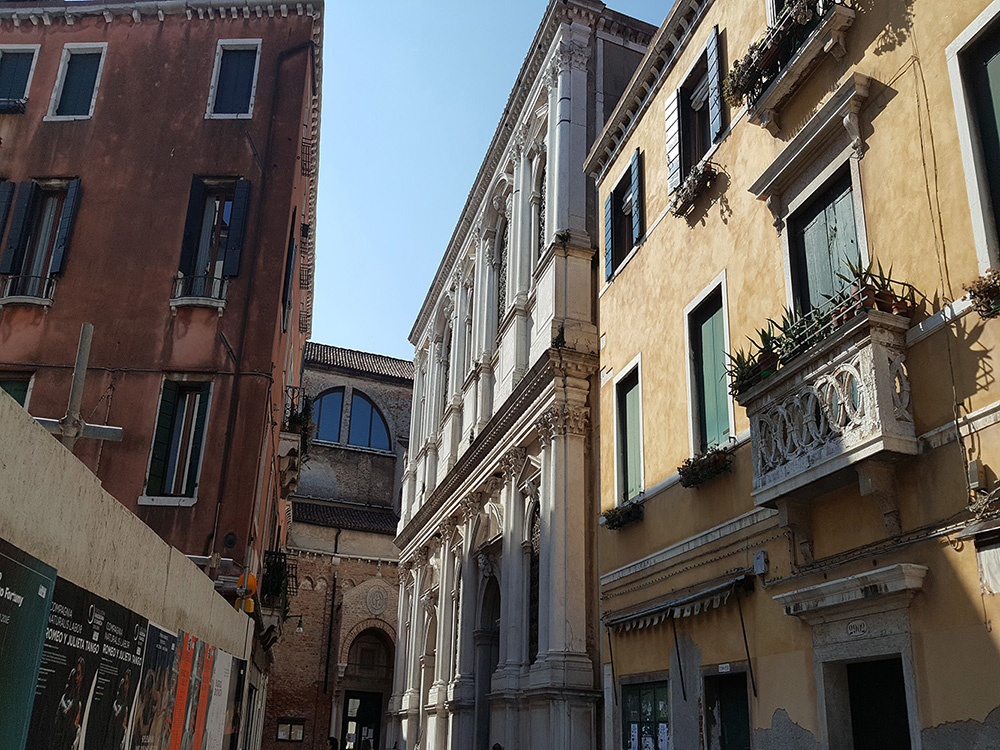
The historic centre of Venice covers approximately 7.5 square kilometres — roughly the size of a mid-sized university campus. Into this compact space, on peak summer days, flow as many as 100,000 visitors. The majority of them follow the same narrow corridor: from the train station or Piazzale Roma, along the Lista di Spagna and the Strada Nova, to the Rialto, and then along the Mercerie to St Mark’s Square. In high season, this route becomes effectively impassable in the late morning and early afternoon — a river of people moving in both directions through streets that were never designed for this volume.
The consequences are well documented. Residents have been progressively displaced from the historic centre by the conversion of residential properties into tourist accommodation — the resident population has fallen from around 175,000 in the mid-20th century to fewer than 50,000 today, and continues to fall. Local shops and services — butchers, hardware stores, pharmacies, schools — have been replaced by souvenir shops and restaurants serving tourists. The social fabric of the city has been hollowed out in proportion to its commercialisation.
At the same time, the physical fabric of the city is under pressure. Stone wears. Foundations shift under the waves generated by motor boat traffic. The delicate ecosystem of the lagoon is affected by water pollution and the disturbance of traditional fishing grounds.
None of this means that visiting Venice is wrong — on the contrary, Venice needs tourism revenue to survive and to maintain its extraordinary built heritage. But it does mean that how you visit Venice matters enormously. The difference between a visitor who follows the standard itinerary, eats at tourist restaurants and buys a mass-produced Murano glass souvenir from a shop in St Mark’s Square, and a visitor who explores the quieter sestieri, eats at locally-owned bacari, purchases a genuine handmade object from an artisan workshop and takes a boat tour of the lagoon with a local guide — is the difference between a visit that contributes to the problem and one that contributes to the solution.
| Sustainable tourism in Venice is not about sacrifice. It is about choosing to experience the city more deeply — and, in doing so, supporting the people and places that make Venice worth visiting. |
What Does Sustainable Tourism in Venice Actually Mean?
Sustainable tourism is sometimes misunderstood as a set of restrictions — things you should not do, places you should not go, ways in which the experience should be made less comfortable in the name of virtue. This misunderstanding is counterproductive. Sustainable tourism in Venice is better understood as a set of positive choices that simultaneously improve your experience and reduce your negative impact on the city.
| Slow down Spend more time in fewer places. Depth over breadth. The reward is a richer experience. | Go off-route Explore beyond the main tourist corridor. Venice’s most authentic life happens in the quieter sestieri. | Support local Eat at locally-owned bacari, buy from artisan workshops, choose local guides over multinational tour operators. |
| Respect the city Follow the local rules: no sitting on steps, no eating on bridges, no wheeled luggage in narrow calli. | Travel by water Explore the lagoon by private boat, not by large motor vessels that generate wake and disturb the ecosystem. | Time it right Visit in the shoulder seasons — spring and autumn — when the city is less crowded and more itself. |
Mass Tourism vs Responsible Tourism: A Clear Comparison
| Mass Tourism | Responsible Tourism |
| Concentrates in St Mark’s Square and the Rialto | Explores all six sestieri and the outer islands |
| Follows the tour group corridor at peak hours | Moves through the city at quieter times and off-route |
| Eats at tourist restaurants next to major monuments | Eats at locally-owned bacari and neighbourhood trattorie |
| Buys mass-produced souvenirs in St Mark’s shops | Purchases handmade objects directly from artisan workshops |
| Uses large motor boats that generate damaging wake | Explores the lagoon by private boat with a local guide |
| Books accommodation on major platforms regardless of type | Chooses family-run hotels and locally-owned apartments |
| Visits the city in peak summer season | Travels in spring, autumn or winter for a quieter experience |
| Spends the majority of money with international chains | Directs spending towards local businesses and craftspeople |
The Intangible Heritage of Venice: What Responsible Tourism Protects
One of the most important — and least discussed — aspects of Venice’s heritage is what UNESCO calls its intangible cultural heritage: the living traditions, crafts, knowledge systems and social practices that have been passed down through generations of Venetians and that are as much a part of the city’s identity as its architecture and painting.
This intangible heritage is directly threatened by the displacement of residents from the historic centre. When Venetians leave the city, they take with them not just their presence but their knowledge: of the traditional crafts, the local dialects, the festive traditions, the culinary practices and the social customs that have defined Venetian life for centuries. Sustainable tourism — by supporting local artisans, local guides, local restaurants and local events — plays a direct role in making it economically viable for Venetians to remain in their city.
Glassblowing on Murano
The art of Venetian glassblowing has been practised on the island of Murano since 1291, when the Republic of Venice relocated its furnaces there from the historic centre as a fire precaution. The craft is extraordinarily demanding — master glassblowers (maestri vetrai) spend years developing the techniques required to work molten glass into the vessels, chandeliers, mirrors and figures for which Murano is famous — and it is genuinely threatened by the competition of mass-produced imitations imported from lower-cost manufacturers.
Buying a piece of authentic Murano glass directly from a workshop on the island — rather than a tourist shop in St Mark’s Square — is one of the most direct contributions a visitor can make to the survival of this extraordinary craft tradition.
Burano Lace
The lacework of Burano is one of the great textile crafts of Europe — an extraordinarily fine needlelace tradition that reached its peak in the 16th and 17th centuries, when Venetian lace was the most sought-after luxury textile in Europe, worn by the courts of France, Spain and England. The craft nearly died out in the 19th century before being revived by a school established in Burano in 1872, but genuine Burano lace — made by hand using the punto in aria technique — is now produced by only a handful of elderly craftswomen on the island.
A visit to Burano that includes a genuine engagement with its lace tradition — visiting the Lace Museum, speaking with one of the remaining practitioners — is an act of cultural preservation as much as a travel experience.
Venice’s Artisan Workshops
Beyond glassblowing and lace, Venice supports a remarkable range of surviving artisan traditions: the marbling of paper (ebru), the making of traditional Venetian masks (mascareri), the construction of gondolas at the historic squeri (boatyards), the weaving of the traditional fabrics used in Carnival costumes, the printing of ancient texts at the few remaining typographers who still use traditional methods. These workshops are concentrated in the quieter parts of the historic centre — the Dorsoduro, the Cannaregio, the eastern Castello — and are accessible to visitors who know where to look.
Venice Guide and Boat’s Venice Craft Heritage tour is designed precisely around these workshops — taking visitors into the working spaces of surviving artisans and providing a direct connection to the living craft traditions of the city.
Music in Venice
Venice has one of the richest musical traditions in Europe. The city was the birthplace of the concerto form, the home of Monteverdi and Vivaldi, and the site of the ospedali — institutions for orphaned girls that became, paradoxically, among the most musically sophisticated performing venues in 18th-century Europe. Vivaldi composed his Four Seasons for the Ospedale della Pietà, where he worked as maestro di violino for much of his career.
This tradition is not merely historical. Venice continues to support a vibrant musical life — chamber concerts in historic palaces and churches, early music ensembles, gondola serenades in the traditional manner — and visiting these performances rather than the commercialised tourist versions is both a better musical experience and a more direct contribution to the living cultural life of the city.
Venice’s Secret Gardens
One of the least-known aspects of Venice’s urban fabric is its extraordinary collection of private gardens — more than a hundred walled gardens hidden behind the city’s palace walls, invisible from the street and unknown to most visitors. These gardens are a survival of a tradition that was central to Venetian aristocratic and monastic life for centuries, and some of them contain trees and plantings that are centuries old.
The Venice Secret Gardens tour offers access to gardens that are not normally open to the public — a genuinely exclusive experience that reveals a completely different dimension of the city and that contributes to the conservation of these remarkable green spaces.
The Story of Foreign Communities in Venice
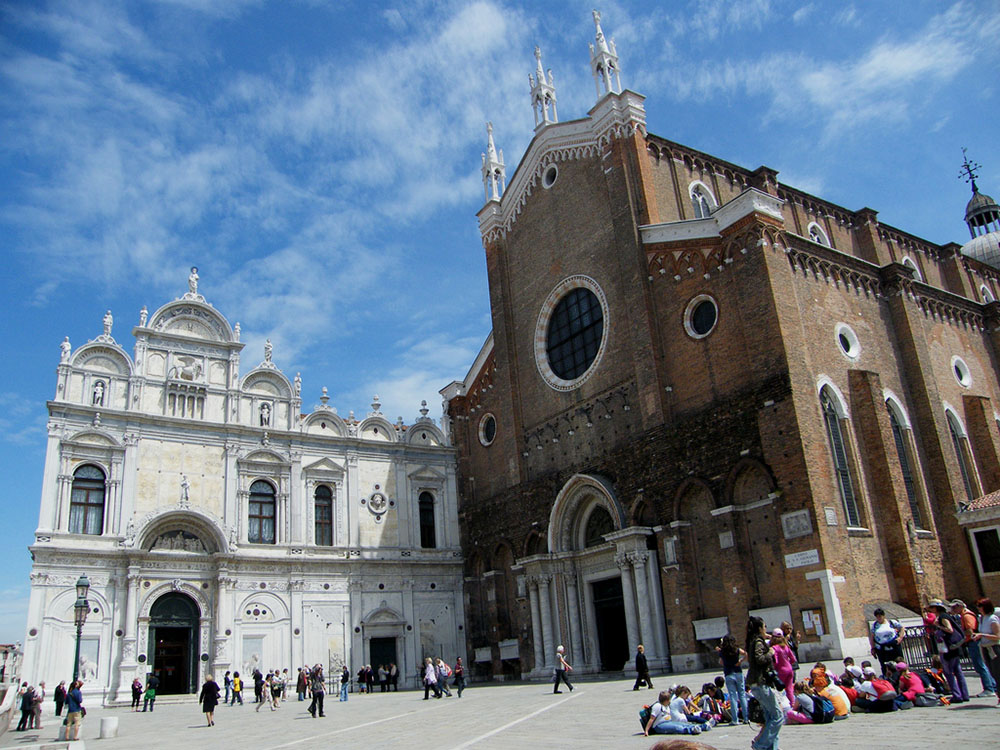
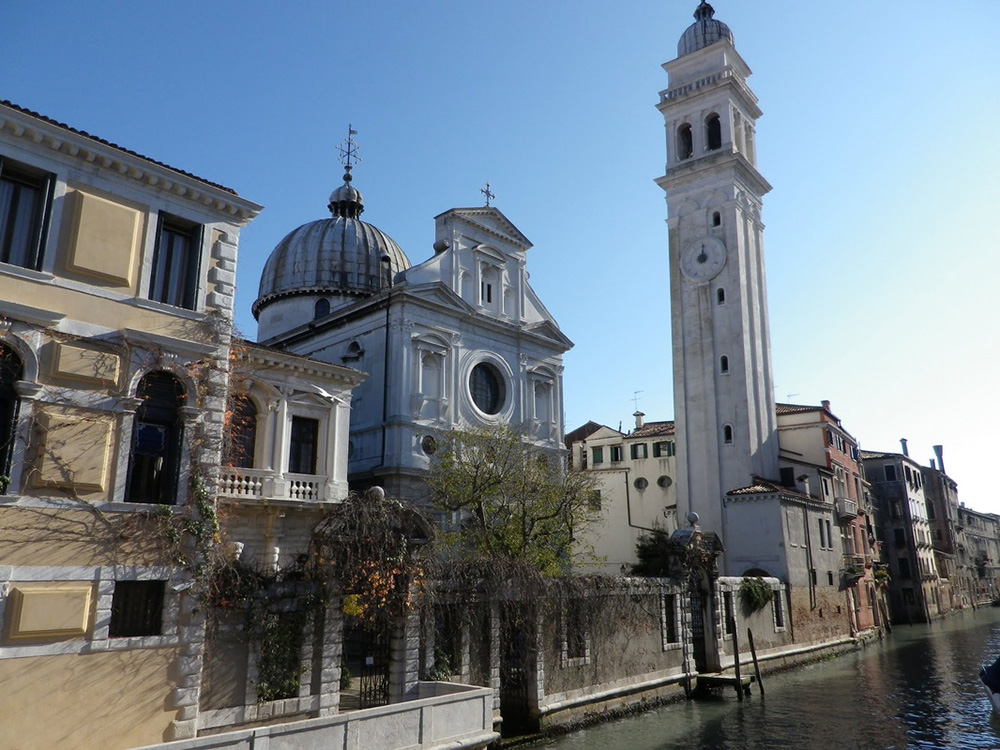
Venice was, for much of its independent history, one of the most cosmopolitan cities in the world — a city in which merchants, diplomats, artists and refugees from across the Mediterranean and beyond lived, worked and left their mark. The Jewish Ghetto of Cannaregio — the oldest ghetto in the world, established in 1516 — is the most visible survival of this cosmopolitan tradition, but the city’s history includes significant communities of Greeks, Armenians, Turks, Germans, Flemish and Dalmatians, each of whom left physical traces in the urban fabric and contributed to the distinctive character of Venetian culture.
The Foreigners in Venice tour explores this layered history — tracing the stories of the communities who shaped the city from outside and revealing a Venice that is far more complex and open than the image of a hermetically Venetian city might suggest.
Responsible Tourism and the Venice Lagoon
The Venice Lagoon is not just a picturesque backdrop to the historic centre. It is one of the most important wetland ecosystems in Europe — a UNESCO World Heritage Site that supports extraordinary biodiversity: migratory birds, endemic fish species, rare plant communities adapted to the brackish water of the lagoon margins, and traditional fishing and agricultural practices that have shaped the lagoon environment for centuries.
The lagoon is also one of the most threatened environments in Venice. Motor boat traffic — including the large cruise ships that until recently entered the Giudecca canal — generates wake that erodes the mudflats and disturbs the sediment. Water pollution affects both the ecosystem and the traditional fishing grounds. The progressive abandonment of traditional lagoon management practices — the maintenance of channels, the cultivation of traditional shellfish beds, the management of the barene (salt marshes) — threatens the physical stability of the lagoon itself.
Exploring the lagoon by private boat with a local guide — as opposed to a large group tour vessel — is both a richer experience and a more responsible one. Small boats generate less wake, disturb fewer birds, and allow access to the quieter, more ecologically sensitive parts of the lagoon that larger vessels cannot reach. A knowledgeable guide can explain the ecological significance of what you are seeing and connect the natural history of the lagoon to its human story.
| The lagoon is not just Venice’s setting — it is Venice’s foundation. The city has always managed the water, not just floated on top of it. Understanding that relationship is one of the most important things a visitor can do. |
Safeguarding Venice: What Is Actually Being Done
Venice is not passive in the face of its challenges. The city has, in recent years, implemented a range of measures designed to manage visitor flows and protect the quality of life for its residents — and to ensure that tourism contributes to the city’s survival rather than accelerating its decline.
Since 2024, Venice has piloted a day-tripper access fee — a charge for day visitors arriving during peak periods — as a mechanism for managing demand and generating revenue for conservation. The system remains in evolution, but it represents a significant shift in how the city thinks about the relationship between tourism and sustainability.
The city has also implemented a series of measures to regulate short-term rentals and holiday apartments in the historic centre, in an effort to slow the conversion of residential properties and maintain some degree of population stability. Whether these measures will be sufficient is debated; but they represent a genuine recognition that the current situation is unsustainable.
Responsible tourists can support these efforts simply by making the choices described in this guide: distributing their spending across the local economy, exploring beyond the main tourist routes, visiting in the shoulder seasons and choosing local guides, local restaurants and local artisans over their multinational competitors.
The Safeguarding Venice tour offered by Venice Guide and Boat is specifically designed around this theme — exploring the physical and social challenges facing the city, the initiatives underway to address them, and the role that thoughtful tourism can play in supporting rather than undermining the city’s future.
Venice Guide and Boat’s Sustainable Tourism Programme
Venice Guide and Boat has developed a dedicated programme of tours designed around the principles of sustainable, responsible and slow tourism. Each tour is conducted by a qualified local guide, takes small groups into parts of the city and lagoon that most visitors never reach, and is designed to create a direct connection between visitor spending and the local economy and cultural life of Venice.
| Venice Intangible Heritage An exploration of Venice’s living cultural traditions — the crafts, the music, the festivals and the social practices that define Venetian identity and are directly threatened by the displacement of the city’s resident population. | Foreigners in Venice A tour of the traces left by the foreign communities who shaped Venetian history — the Jewish Ghetto, the Greek Orthodox church, the Armenian monastery, the Fondaco dei Tedeschi. A portrait of Venice as the cosmopolitan city it has always been. |
| Venice Craft Heritage A guided visit to working artisan workshops — glassblowers, mask-makers, paper marblers, gondola builders — providing direct access to the living craft traditions of the city and supporting the artisans who keep them alive. | Safeguarding Venice An exploration of the challenges facing Venice — physical, ecological, social and economic — and the initiatives underway to address them. A tour for visitors who want to understand the city they are visiting and the role they play in its future. |
| Venice Secret Gardens Access to Venice’s extraordinary collection of hidden walled gardens — spaces that are entirely invisible from the street and that reveal a completely unexpected dimension of the city’s private life and history. | Music in Venice An exploration of Venice’s extraordinary musical tradition, from Monteverdi and Vivaldi to the living performance culture of the city — connecting the historical legacy with the contemporary musical life of Venice. |
| All tours in the Venice Sustainable Tourism programme are private, small-group experiences led by qualified local guides. They are designed to connect visitors directly with the living Venice — its people, its crafts, its ecology and its future — in a way that standard itineraries simply cannot. |
Practical Tips for Sustainable Travel in Venice
When to visit
The shoulder seasons — April to early June and September to November — offer the best combination of pleasant weather, manageable crowds and the kind of authentic atmosphere that peak summer cannot provide. Winter Venice (December to March) is the most intimate and the most Venetian of all, though acqua alta and cold temperatures require preparation.
Where to eat
Avoid restaurants on the immediate perimeter of St Mark’s Square and the Rialto Bridge — these are almost uniformly overpriced and mediocre. Instead, look for bacari (traditional Venetian wine bars) in the Dorsoduro, Cannaregio and Castello sestieri, where local residents eat. Cicchetti — the Venetian equivalent of tapas — served at the bar with a glass of local wine is both the most authentic and the most economical way to eat well in Venice.
Where to stay
Choosing a family-run hotel, a locally-owned apartment or a pensione in the quieter parts of the historic centre (rather than a major chain property near the main sights) keeps more of your spending within the local economy and gives you a different — and better — relationship with the city.
What to buy
Murano glass, Burano lace, Venetian paper goods and Carnival masks are all available in two very different versions: mass-produced tourist versions of varying quality sold in shops near the major monuments, and authentic handmade versions produced by the artisans who have kept these traditions alive. The difference in price is real but often smaller than expected; the difference in quality and cultural significance is enormous.
How to move through the city
Walk slowly. Take the quieter routes. Cross to the less-visited sestieri — Cannaregio in the north, eastern Castello, the outer reaches of Dorsoduro. Take the vaporetto rather than a water taxi for everyday transport. And if you want to explore the lagoon, choose a small private boat with a local guide rather than a large group tour vessel.
Frequently Asked Questions
Is Venice worth visiting despite overtourism?
Emphatically yes. The challenges of overtourism are real, but they are not a reason to avoid Venice — they are a reason to visit it thoughtfully. A well-planned visit that distributes time and spending across the whole city, engages with local guides and artisans, and explores beyond the main tourist corridor is both a richer personal experience and a more positive contribution to the city’s future than staying away.
What is the best way to avoid the crowds in Venice?
The single most effective strategy is to move away from the main tourist corridor — the route from the station to St Mark’s via the Rialto — and into the quieter parts of the city: the eastern Castello, the northern Cannaregio, the Dorsoduro away from the Zattere. Visiting early in the morning, before 9am, makes an enormous difference to the experience of even the most popular sites. Travelling in the shoulder seasons (April–June and September–November) reduces crowd pressure throughout.
Does sustainable tourism cost more?
Not necessarily. Eating at a bacaro rather than a tourist restaurant near St Mark’s is almost always cheaper, not more expensive. Visiting artisan workshops on Murano or Burano is free or low-cost. The Venice Sustainable Tourism tours with Venice Guide and Boat are priced comparably to standard guided tours. The main investment is time — the willingness to slow down and engage more deeply with the city.
How can I support Venice as a tourist?
Direct your spending towards locally-owned businesses: restaurants, shops, guides and accommodation. Purchase authentic handmade objects from artisan workshops rather than mass-produced souvenirs from tourist shops. Explore beyond the main tourist routes and into the quieter parts of the city. Respect the local regulations — no sitting on steps, no eating on bridges, no swimming in the canals. And consider visiting in the shoulder seasons when your presence contributes to the local economy without adding to peak-season pressure.
What makes Venice Guide and Boat’s sustainable tours different?
Venice Guide and Boat’s sustainable tourism programme is built around direct engagement with the living Venice — its artisans, its gardens, its music, its ecological challenges and its cultural traditions. The tours are conducted by qualified local guides with genuine specialist knowledge of their subjects, take small groups into parts of the city that most visitors never reach, and are designed to create experiences that are both personally memorable and genuinely beneficial to the people and places they engage with.
The Venice That Exists When You Look Carefully
There are two Venices. The first is the city of queues, souvenir shops and tourist restaurants — the city that exists in the main corridor between the station and St Mark’s Square, that is experienced by the majority of the city’s millions of annual visitors and that bears, it must be said, remarkably little resemblance to the Venice that Venetians know.
The second Venice is the one that reveals itself to those who move slowly, go off-route and look carefully. The one where an elderly woman is tending a courtyard garden behind a palazzo wall. Where a maestro vetraio is working molten glass into a form of impossible delicacy. Where a group of musicians is rehearsing a Vivaldi concerto in a church that the tour groups walked past without stopping. Where a boat is moving silently through a canal in the outer lagoon, and the only sounds are water and birdsong.
This Venice is not harder to find than the tourist version. It just requires a different intention — and, ideally, a guide who knows where to look. That is what Venice Guide and Boat’s sustainable tourism programme is designed to provide: access to the real city, in all its complexity and beauty, in a way that supports the people and traditions that make it worth visiting.
| Ready to experience the real Venice? Explore our Sustainable Tourism tours — Venice Intangible Heritage, Craft Heritage, Secret Gardens, Music in Venice, Foreigners in Venice and Safeguarding Venice — and choose the itinerary that speaks to you. |

