Venice Guide and Boat
The Best Time to Visit Venice: A Complete Season-by-Season Guide
There is no wrong time to visit Venice. This is one of the few travel clichés that is actually true — the city rewards visitors in every season, and each period of the year offers a version of Venice that is impossible to experience at any other time. The fog-softened silences of January. The blossom-scented campi of April. The long golden evenings of June. The melancholy perfection of October. The Carnival madness of February. Each has its devotees, and each is genuinely extraordinary.
But there are better and worse times to visit, depending on what you are looking for — and the question of when to go to Venice is one that rewards careful thought rather than a reflexive answer. The most common advice — ‘go in spring or autumn, avoid August’ — is broadly correct but oversimplified. August in Venice is extraordinary if you know how to navigate it. January is Venice at its most intimate and most itself. Even the dreaded Carnival, if approached with the right expectations, can be one of the most visually spectacular experiences in Italy.
This guide covers every season in depth — the weather, the light, the crowds, the events and the particular character of Venice at each time of year — and recommends the tours and experiences that are best suited to each season. By the end, you will have a clear picture of which Venice you want to encounter, and when to go to find it.
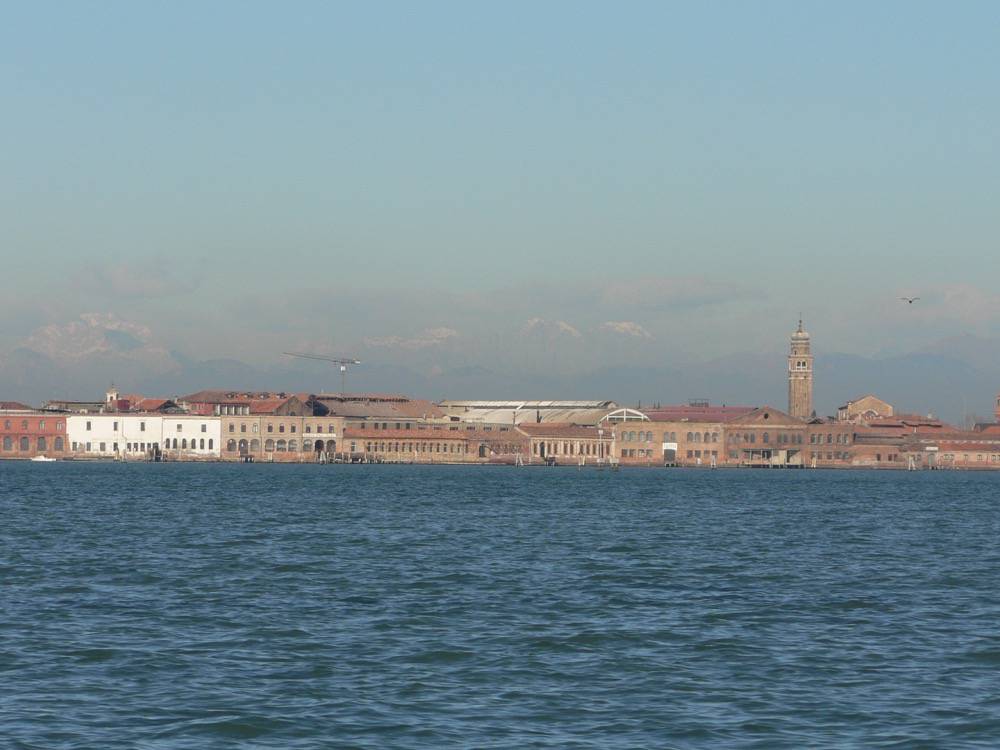
Venice at a Glance: The Four Seasons Compared
| Spring | Summer | Autumn | Winter | |
| Crowd level | Moderate, building | Very high | Moderate, thinning | Low |
| Temperature | 10–20°C | 25–32°C | 12–22°C | 2–8°C |
| Rainfall | Moderate | Low–moderate | Moderate–high | Low–moderate |
| Acqua alta risk | Low | Very low | Rising from Oct | High (Nov–Jan) |
| Light quality | Clear, warm | Bright, intense | Golden, atmospheric | Dramatic, misty |
| Sunset time | 6:30–8:30 PM | 8:00–9:00 PM | 6:00–7:30 PM | 4:00–5:00 PM |
| Value for money | Good | Lower (peak) | Good–excellent | Excellent |
| Atmosphere | Lively, optimistic | Intense, festive | Contemplative, rich | Intimate, literary |
| Overall rating | ⭐⭐⭐⭐⭐ | ⭐⭐⭐⭐ | ⭐⭐⭐⭐⭐ | ⭐⭐⭐⭐⭐ |
| Spring in Venice (March – June)The finest season for a first visit — warm, clear and alive |
Spring is, by common consensus among those who know Venice well, the finest season for a first visit. The city awakens from its winter quiet in March, gathers momentum through April, and reaches a kind of perfection in May and early June that is difficult to surpass — warm enough to be comfortable, light enough to stay outdoors well into the evening, and still far enough from the peak summer crowds to feel genuinely manageable.
The quality of the light in spring Venice is extraordinary. The air has a clarity that summer haze can obscure, and the low-to-medium angle of the spring sun catches the facades of the Grand Canal palaces and the mosaics of St Mark’s Basilica in a way that creates a warmth of colour without the bleaching intensity of full summer. Photographers consistently rate May as the finest month for Venice photography — and for good reason.
Month by month
March is the transition month — still cold by European standards (average temperatures 8–13°C), with the possibility of rain and the occasional surprise of clear, luminous days that reveal the city in winter quiet. Crowds are still manageable. The Venetian calendar begins to fill: the first major art events, the reopening of outdoor venues, the gradual return of life to the campi.
April is one of the finest months of the year. Temperatures rise into the mid-teens, the days lengthen noticeably, and the first wave of spring visitors brings energy without overwhelming the city. Easter weekend can be busy — particularly around St Mark’s Square — but the rest of April is consistently excellent.
May is the peak of spring and, for many experienced visitors, the single best month in the Venetian calendar. Warm days (18–22°C), long evenings, relatively manageable crowds and the finest light of the year make May the month for which much of Venice’s outdoor life — the campi, the lagoon, the aperitivo culture — seems to have been designed.
June is the transition into summer — still beautiful, still relatively uncrowded in the first half of the month, but with temperatures rising and the summer visitor numbers beginning to build by mid-June. Early June retains the best of spring; late June is effectively summer.
What to do in spring
Spring is the ideal season for every type of Venice experience. The major monuments are accessible without the extreme queuing of peak summer. The lagoon is at its most active ecologically — the birdlife on the outer lagoon islands is particularly striking in spring, and the fishing grounds are full of the seasonal catch that defines Venetian cooking at this time of year. The evening light is perfect for sunset tours, and the temperature makes a full day on the water comfortable without the intensity of high summer heat.
- Venice Lagoon Adventure — the outer lagoon in spring is extraordinarily beautiful, with birdlife, fishing activity and the particular quality of spring light on open water
- Three Islands Tour (Murano, Burano, Torcello) — ideal weather for a full day on the water, and the islands are at their least crowded before the summer peak
- Venice Sunset Tour — long evenings and clear skies make spring the finest season for the lagoon sunset experience
- Venice for the First Time / See Venice in One Day — the best season for first-time visitors: manageable crowds, excellent light, comfortable temperatures
- Venice Secret Gardens — spring is when the gardens are at their most beautiful, with flowering plants and full greenery
| The best single month to visit Venice for the first time is May. The crowds are manageable, the weather is reliably good, the light is extraordinary and virtually every experience the city offers is available in its finest form. | ||
| Temperature | 10–22°C (March to June, rising through the season) | |
| Rainfall | Moderate — typically 60–80mm per month; showers rather than sustained rain | |
| Crowds | Moderate in March–April; building in May; significant but manageable in June | |
| Key events | Venice Marathon (April); Vogalonga rowing event (May); Art and Architecture Biennale openings (odd/even years) | |
| Acqua alta | Low risk — spring tides are generally minor | |
| What to pack | Layers — warm days but cool evenings in March and April; light clothing in May–June with a jacket for evenings | |
| Summer in Venice (July – August)Long days, intense light, maximum crowds — and spectacular sunsets |
Summer is Venice at its most extreme in every sense. The most visitors, the most heat, the most dramatic light, the longest evenings, and — on the right evening, from the right vantage point on the lagoon — the most spectacular sunsets of the year. It is also the Venice of Carnival fantasies, of gondolas loaded with tourists, of queues that stretch the length of the Piazza, and of the tourist corridor between the station and St Mark’s Square at noon in August, which is an experience to be avoided by anyone who values either their feet or their equanimity.
The honest assessment of summer in Venice is that it is simultaneously the most and least rewarding season, depending entirely on how you approach it. Visitors who arrive without planning, attempt to see the major monuments at peak hours, and eat in the tourist restaurants around St Mark’s Square will have a frustrating experience. Visitors who arrive early, move intelligently through the city, take a boat out onto the lagoon in the evening and watch the sun set from the open water will have one of the great travel experiences of their lives.
Summer Venice rewards planning and punishes complacency. A private guided tour — with skip-the-line entry, a guide who knows how to move through the city efficiently, and the option of a boat tour timed for the cooler late afternoon — transforms the summer visit from an ordeal into something genuinely magnificent.
Month by month
July is hot (27–30°C average), crowded and long. The Festa del Redentore, on the third Saturday of July, is one of Venice’s most important traditional festivals — a regatta, a bridge of boats across the Giudecca canal, and a spectacular fireworks display over the lagoon that is watched from boats by thousands of Venetians. It is worth organising a trip around, if the logistics allow.
August is the peak of peaks — the hottest month, the most crowded, and the most intense. It is also, on a clear evening in the lagoon, extraordinarily beautiful. The key is to start early (the major monuments by 9am), retreat to a cool interior or the outer islands in the hottest part of the afternoon, and re-emerge for the evening. The city is at its best after 6pm in August.
What to do in summer
Summer is the finest season for evening and water-based experiences. The Venetian Sunset Tour is at its most spectacular in July and August, when the long evenings allow for extended golden hours and the warmth of the water creates a hazy, atmospheric quality to the light that is unique to this season. The outer islands are also particularly good in summer — Burano and Torcello are best visited early in the morning, before the day heats up, and the boat journey across the lagoon in the cool of the morning is one of the finer summer travel experiences in Italy.
- Venice Sunset Tour — the longest evenings of the year, the most dramatic sunsets; plan the full day around a late afternoon boat departure
- Three Islands Tour — depart early (8:30am) to reach Burano before the crowds; Torcello is coolest and quietest in the mid-morning
- Venice Lagoon Adventure — explore the outer lagoon in the early morning or late afternoon to avoid the heat
- Art and History tours — the major museums are air-conditioned; afternoon visits to the Accademia or Ca’ Rezzonico make excellent mid-day retreats
- Boat Tour and Dinner — summer evenings on the lagoon, ending with dinner on one of the outer islands, are the definitive Venice summer experience
| The cardinal rule of summer in Venice: start early, retreat in the afternoon, re-emerge for the evening. The city at 9am and the city at 7pm in August are two completely different — and two completely extraordinary — places. | ||
| Temperature | 25–32°C in July and August; occasionally 34–35°C during heatwaves | |
| Rainfall | Low — July and August are the driest months; brief thunderstorms possible | |
| Crowds | Very high — the busiest period of the year; book all monuments in advance | |
| Key events | Festa del Redentore (July); Venice Film Festival (late August–early September); Regata Storica (September) | |
| Acqua alta | Very low risk in summer — the phenomenon is almost exclusively autumn/winter | |
| What to pack | Light summer clothing; sun protection essential; a layer for evening boat trips; comfortable walking shoes | |
| Autumn in Venice (September – November)The painters’ season — golden light, thinning crowds, perfect atmosphere |
Autumn is the season that most people who know Venice deeply prefer. It is the season that Turner painted, that Henry James wrote about, that Ruskin came to Venice specifically to experience. The quality of the light changes from the bright, flat clarity of summer to something richer, more complex and more atmospheric — a warm golden tone that catches the palaces and the water in a way that is quite different from any other season and that has inspired more great painting and writing about Venice than all the other seasons combined.
The practical advantages of autumn are considerable. The summer crowds begin to thin noticeably from mid-September. By October, the main tourist routes are manageable at any hour. By November, the city has largely returned to its residents, the queues at the major monuments have disappeared, and the atmosphere of Venice is something close to what it must have felt like before mass tourism arrived. Against this, the days are shorter, the temperature is falling, and the risk of acqua alta — the periodic flooding of the city’s lower areas — rises from October onwards.
Autumn Venice is, for the right kind of traveller, the finest Venice of all. It requires a slight adjustment of expectations — shorter days, the possibility of rain, the need to pack layers — but it rewards that adjustment with an experience of the city that the summer visitor never accesses.
Month by month
September is the continuation of summer with thinning crowds and the first hints of autumn light. The Venice Film Festival runs into the first days of September and creates a particular atmosphere on the Lido. The Regata Storica — the traditional regatta on the Grand Canal, with gondoliers and rowers in historical costume — takes place on the first Sunday of September and is one of the finest traditional events in the Venetian calendar.
October is the month many experienced Venice visitors consider the finest of the year. The crowds have thinned substantially, the light has taken on its characteristic autumn warmth, the temperature (14–18°C) is perfect for walking, and the city’s cultural life — concerts, exhibitions, theatre — is in full swing. The acqua alta season begins in late October, but is usually limited to minor episodes at this stage.
November is the most underrated month in Venice. The tourist infrastructure is still fully operational, but the city is quiet in a way that summer visitors simply never experience. The Festa della Salute on 21st November — a procession across a temporary bridge of boats to the Basilica di Santa Maria della Salute — is one of the most genuinely Venetian events of the year, attended almost entirely by Venetians themselves.
What to do in autumn
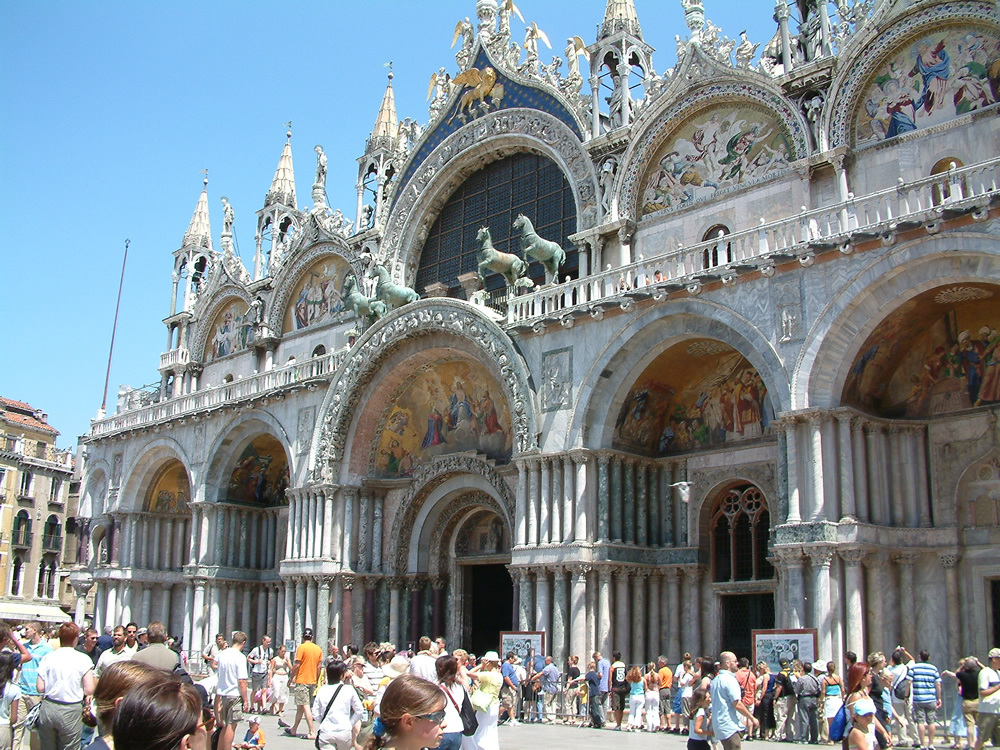
Autumn is the finest season for art and history visits — the museums are quieter, the light in the churches (particularly in the afternoon, when the low autumn sun enters from the west) is at its most beautiful, and the atmosphere of the Doge’s Palace and the Accademia without summer crowds is transformed. It is also the best season for the outer lagoon: the colours of the salt marshes change dramatically in October and November, and the birdlife of the lagoon is at its most diverse as migratory species pass through.
- Venice Art and History tours — October and November are the finest months for the Accademia, Ca’ Rezzonico and the Doge’s Palace; shorter queues, better light in the churches
- Venice Lagoon Adventure — the autumn lagoon is extraordinary: the barene (salt marshes) turn rust and gold, and the migratory bird season brings remarkable wildlife to the outer channels
- Three Islands Tour — Burano and Torcello in autumn light are the subject of some of the finest photography of the lagoon; fewer tourists, better colours
- Sustainable Tourism tours — autumn is the finest season for the Venice Secret Gardens, with the changing foliage of ancient trees
- Venice Sunset Tour — the September and October sunset is famously the best in the year: warm golden tones, atmospheric mist and the city settling into its evening rhythm
| October is the single month that most serious Venice travellers return to year after year. Manageable crowds, perfect temperature, extraordinary light and the full range of the city’s cultural life make it arguably the finest month in the entire Venetian calendar. | ||
| Temperature | 14–22°C in September; 10–18°C in October; 6–12°C in November | |
| Rainfall | Moderate to high — autumn is the rainiest season; pack waterproofs | |
| Crowds | Moderate in September; low in October; very low in November | |
| Key events | Regata Storica (September); Venice Film Festival (late Aug–early Sept); Festa della Salute (21 November) | |
| Acqua alta | Rising risk from October; significant risk in November — check forecasts and pack waterproof boots | |
| What to pack | Layers essential; waterproof jacket; waterproof boots for acqua alta risk from October; comfortable walking shoes | |
| Winter in Venice (December – February)The most intimate Venice — fog, silence, Carnival and the city’s truest self |
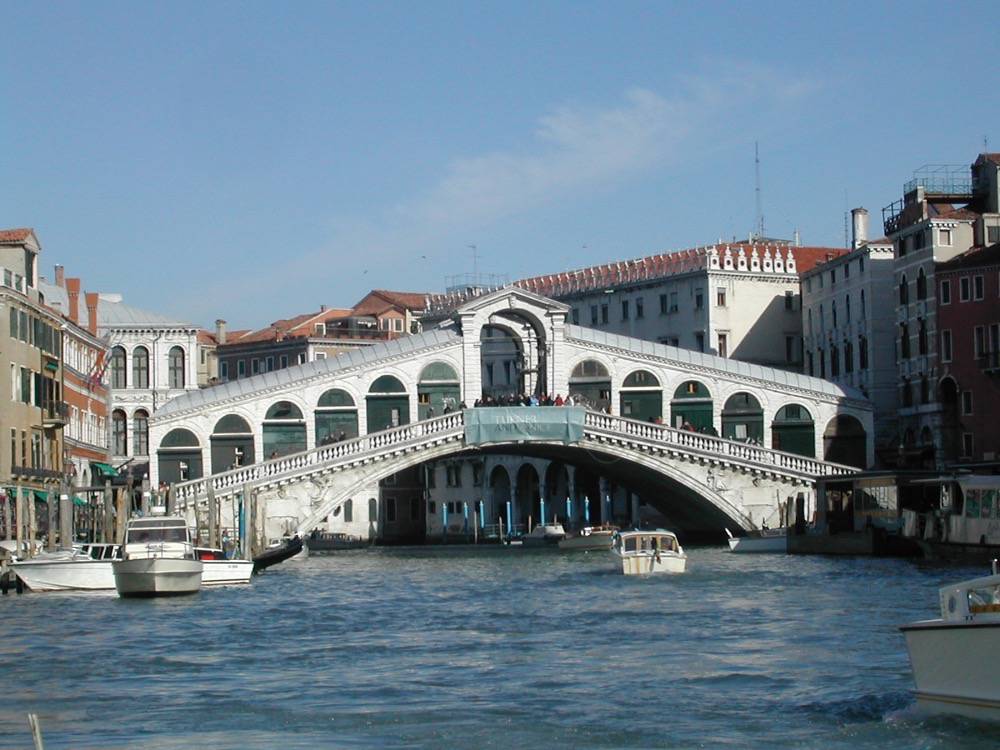
Winter Venice is for those who want the city on its own terms. It is cold (temperatures regularly fall to 2–4°C, with occasional frost), the days are short, acqua alta is at its most frequent, and the fog can reduce visibility to a few metres. It is also the Venice of the Romantic imagination: the city that Byron, Shelley, Dickens, Mann and Brodsky wrote about; the city that appears in countless paintings as a place of theatrical decay and impossible beauty; the city that reveals its truest character when the tourists have gone and the residents reclaim their streets.
The practical advantages of winter Venice are significant. Accommodation prices drop substantially — in some cases by 40–60% compared to peak summer rates. The monuments have no queues. The restaurants serve Venetians rather than tourists, and the quality of the cooking rises accordingly. The cultural life of the city — Venice has an opera house, the La Fenice, and a concert calendar that runs throughout the winter — is at its fullest.
Winter also contains Venice’s most famous event: Carnival. The ten days or so preceding Ash Wednesday (usually in February, occasionally late January) bring the Carnival to the city — a festival that, in its historic form, was one of the most elaborate and licentious in Europe, and that today has been revived as a major event in the Italian calendar. The masked figures in their historical costumes, moving through the fog-filled calli and over the bridges of a winter Venice, create an atmosphere that is entirely unlike any other experience in Italian travel.
Month by month
December is the Christmas month — Venice at Christmas is a relatively quiet, intimate and beautiful place, with the city decorated and the cultural calendar full of concerts and events. The days before Christmas are busy with local shoppers; the period between Christmas and New Year can be surprisingly crowded with tourists. New Year’s Eve in Venice, with fireworks over St Mark’s Square, is spectacular but extremely busy.
January is the quietest and most authentic month in Venice. After the Christmas and New Year period, the city empties of tourists almost entirely. The fog is at its most frequent, the acqua alta risk is high, and the cold is real. For the right kind of traveller — someone who wants to experience Venice as close to its residential self as possible — January is incomparable.
February is dominated by Carnival. The timing varies with the church calendar (it always ends on Shrove Tuesday), but February is typically Carnival month. The city transforms: masks appear everywhere, events multiply across the sestieri, and the visual experience of Venice in Carnival — particularly on the fog-filled days — is unlike anything else in Italy. Outside the Carnival period, early February has the charm of late January: quiet, cold and genuinely Venetian.
What to do in winter
Winter is the finest season for cultural immersion and for experiencing Venice without the pressures of the tourist industry. The art museums are at their emptiest and most contemplative — a visit to the Accademia in January, with the galleries nearly to yourself, is a completely different experience from the same visit in August. The opera season at La Fenice runs through the winter, and the acoustics and atmosphere of that extraordinary theatre are among the great cultural experiences in Italy.
Winter is also, counterintuitively, an excellent season for boat tours of the lagoon — though a different kind of boat tour from the summer version. A winter morning on the lagoon, with the city visible through the fog as a sequence of emerging silhouettes, the air cold and still, and the silence broken only by water birds, has an atmosphere that no summer tour can replicate.
- Venice Art and History tours — winter is the finest season for museum visits; the Accademia and Ca’ Rezzonico in January are extraordinary
- Venice for the First Time — winter offers the best conditions for unhurried, uncrowded exploration of the major monuments
- Venice Lagoon Adventure — a winter lagoon tour, with fog and low horizontal light, is one of the most atmospheric experiences Venice offers
- Sustainable Tourism / Safeguarding Venice — the winter city, with its reduced tourist footprint, makes the themes of this tour particularly vivid
- Venice Carnival (February) — if Carnival aligns with your visit, the combination of historical costumes, fog and the extraordinary setting of the city is unmissable
| January is the month that Venice belongs entirely to itself. No queues, no crowds, no performance of tourism. Just the city, the water, the fog and — for those willing to accept the cold — one of the most extraordinary urban experiences in the world. | ||
| Temperature | 2–8°C in December–February; occasional frost and light snow | |
| Rainfall | Moderate; fog frequent in January–February | |
| Crowds | Low in December (except Christmas/New Year); very low in January; high during Carnival (February) | |
| Key events | Christmas concerts (December); New Year’s Eve fireworks (December); Venice Carnival (February) | |
| Acqua alta | High risk November–January; less frequent February onwards — pack waterproof ankle boots | |
| What to pack | Warm coat, gloves, hat; waterproof boots essential November–February; layers for interiors | |
The Right Tour for Every Season
Venice Guide and Boat operates year-round, and the full range of tours is available in every season. The following table matches the most relevant tour categories to the seasons in which they are most rewarding.
Spring (March–June)
| Tour Category | Why This Season |
| Venice Sunset Tour | Long evenings, clear skies and warm air; the finest season for golden-hour lagoon light |
| Three Islands Tour | Ideal weather for a full day on the water; islands at their least crowded; birdlife in the outer lagoon |
| Venice for the First Time | Best all-round season for first-time visitors; manageable crowds, excellent conditions |
| Venice Secret Gardens | Gardens at their most beautiful; flowering plants and full spring greenery |
| Venice Lagoon Adventure | Ecologically the richest season; migratory birds, fishing activity, spring lagoon colours |
Summer (July–August)
| Tour Category | Why This Season |
| Venice Sunset Tour | The longest evenings and most dramatic sunsets of the year; evening on the water is the ideal summer experience |
| Boat Tour and Dinner | The quintessential summer evening — lagoon at sunset, dinner on an outer island |
| Art and History Tours | Museums provide air-conditioned refuge during the hottest part of the day |
| Three Islands Tour | Early morning departure essential; Torcello and Burano at dawn before the summer heat |
| See Venice in One Day | Skip-the-line entry critical in summer; private tour manages the crowds efficiently |
Autumn (September–November)
| Tour Category | Why This Season |
| Venice Art and History | The finest season for museum visits; shorter queues and extraordinary afternoon church light |
| Venice Lagoon Adventure | Salt marsh colours at their peak; migratory birds; the most atmospheric lagoon of the year |
| Venice Sunset Tour | October sunsets are considered the finest in the year by photographers and painters alike |
| Venice Secret Gardens | Autumn foliage transforms the hidden gardens; ancient trees in their finest colours |
| Sustainable Tourism Tours | The quieter city makes the themes of these tours — conservation, craft, community — most vivid |
Winter (December–February)
| Tour Category | Why This Season |
| Venice for the First Time | Winter offers the most unhurried exploration of the major monuments; no queues |
| Venice Art and History | Accademia and Ca’ Rezzonico in winter are exceptional; near-empty galleries in January |
| Venice Lagoon Adventure | A winter lagoon tour — fog, horizontal light, silence — is unlike any other experience |
| Safeguarding Venice | The winter city with its reduced tourist footprint makes the conservation themes most legible |
| Venice Intangible Heritage | Winter is when Venice’s cultural life — opera, concerts, Carnival — is at its fullest |
Special Events Worth Planning Around
Venice Carnival (February — dates vary)
The Carnival of Venice runs for approximately ten days before Ash Wednesday, typically in February. It is one of the oldest and most elaborate Carnival traditions in Europe, with a history stretching back to the 11th century. The modern Carnival, revived in 1979 after decades of decline, combines official events — costume competitions, parades, a Flight of the Angel over St Mark’s Square — with the organic spectacle of thousands of visitors in historical masks and costumes moving through the streets of the city. The combination of masks, fog and the extraordinary setting creates an atmosphere that is genuinely unique. Accommodation prices rise significantly during Carnival; book well in advance.
Vogalonga (May — first Sunday after Ascension)
The Vogalonga — literally ‘long row’ — is a non-competitive rowing event that takes place on the Venice Lagoon on the first Sunday after Ascension (typically in May). Established in 1975 as a protest against motorboat traffic in the lagoon, it now attracts several thousand rowers from across the world, in every kind of traditional and non-traditional rowing vessel. The spectacle of thousands of boats rowing through the lagoon, past the outer islands and back through the Grand Canal, is one of the most extraordinary free events in the Venetian calendar.
Festa del Redentore (Third Saturday of July)
The Feast of the Redeemer commemorates Venice’s deliverance from the plague of 1575-76, for which the Republic commissioned Palladio’s Church of the Redentore on the Giudecca. On the third Saturday of July, a temporary bridge of boats is constructed across the Giudecca canal, and the evening culminates in a fireworks display over the lagoon that is watched from boats by thousands of Venetians. The tradition of watching the Redentore fireworks from a boat on the lagoon is one of the most Venetian experiences available to a visitor, and Venice Guide and Boat can arrange private boat access to the best viewing position.
Regata Storica (First Sunday of September)
The Historical Regatta is Venice’s most important traditional sporting and ceremonial event — a procession of historical boats with rowers in Renaissance costumes, followed by competitive regattas in different categories of traditional Venetian boats. The procession along the Grand Canal, with the waterfront crowded with spectators and the boats in full historical regalia, is one of the finest spectacles in the Italian calendar. Watching from a private boat, positioned on the Grand Canal, is the premium experience.
Biennale (Odd years for Art, Even years for Architecture — April to November)
The Venice Biennale — alternating between the Art Biennale (odd years) and the Architecture Biennale (even years) — is one of the most important international cultural events in the world, drawing artists, architects, critics and collectors from every country. The main venues are the Giardini (the permanent national pavilions) and the Arsenale (a vast historic naval complex), with satellite events and exhibitions scattered throughout the city. The Biennale runs from late April to late November and adds a significant dimension to visits in the relevant years.
Acqua Alta: What It Is, When It Happens and How to Prepare
Acqua alta — literally ‘high water’ — is the periodic flooding of Venice’s lower-lying areas, caused by a combination of tidal surge, wind direction and atmospheric pressure. It is one of the most iconic aspects of the Venetian experience and, for visitors who are not prepared for it, one of the most disconcerting.
Acqua alta is primarily an autumn and winter phenomenon, occurring most frequently between October and February. The flooding typically affects the lowest areas of the city — St Mark’s Square (which sits at the lowest point of the city) first, then the nearby streets and campi — while the higher-lying areas (most of the Dorsoduro, the Cannaregio, the Castello away from the waterfront) remain dry. A typical acqua alta event lasts two to four hours, after which the water recedes.
The city now operates a sophisticated early-warning system — Centro Maree — which issues forecasts 24–48 hours in advance and provides alerts via the city’s app, weather services and text message to hotels. The MOSE flood barrier system, completed in 2020, has significantly reduced the frequency and severity of major flooding events, though minor acqua alta events continue to occur.
Practical preparation for acqua alta is simple: waterproof ankle boots (available for purchase or rental throughout the city) are the primary requirement. The raised walkways (passerelle) that the city deploys during acqua alta events allow movement through the affected areas. Most importantly, acqua alta should be understood as part of the Venetian experience rather than a reason to avoid the city — the sight of St Mark’s Square under thirty centimetres of water, with the Basilica’s reflection shimmering in the flooded piazza, is one of the most extraordinary visual experiences the city offers.
Frequently Asked Questions
What is the absolute best month to visit Venice?
If forced to choose a single month, most experienced Venice travellers would say October — for its extraordinary light, manageable crowds, perfect walking temperature and the full range of cultural and outdoor experiences available. May is a very close second, offering similarly excellent conditions with slightly more warmth and longer evenings. For visitors who want the quietest, most intimate Venice, January is incomparable. For the finest sunsets and longest evenings, July and early August — with an early start and an evening boat tour — are hard to beat.
Should I avoid Venice in August?
Not necessarily — but you should go in knowing what to expect, and with a plan. August in Venice is genuinely challenging if you approach it unprepared: extreme heat, maximum crowds and queues that can be daunting. With the right approach — early starts, skip-the-line entry for major monuments, boat-based experiences in the evening — August in Venice is extraordinary. The sunset tours and evening lagoon experiences are at their finest in high summer.
Is Venice worth visiting in winter?
Emphatically yes. Winter Venice — particularly January and February outside the Carnival period — offers an experience of the city that is simply not available at any other time: the genuine residential Venice, quiet and cold and extraordinary, with no queues, significantly lower prices and an atmosphere that has inspired great writers and painters for centuries. The practical challenges (cold, shorter days, acqua alta risk) are real but entirely manageable with appropriate preparation.
When is Venice least crowded?
January is the quietest month by far — with the exception of the few days around Christmas and New Year. November and February (outside Carnival) are also very quiet. The city is most crowded in July and August, and in the ten days around Easter, which can be as busy as peak summer.
Does the weather affect tour availability?
Venice Guide and Boat operates year-round, and most tours are available in all seasons. Boat-based tours are weather-dependent and may need to be rescheduled in cases of strong wind or heavy rain; walking tours are generally unaffected by weather. Your guide will contact you in advance if conditions for your specific tour date require any adjustment.
There Is No Wrong Season. There Is Only the Wrong Expectation.
The question ‘when should I go to Venice?’ is ultimately a question about what you want from the city. Venice in August and Venice in January are not better or worse versions of the same experience — they are two completely different experiences of the same place, each with qualities that the other cannot offer.
The visitor who goes to Venice in August expecting the calm and quiet of the autumn will be disappointed. The visitor who goes in January expecting the warmth and energy of the summer will be cold and surprised. But the visitor who goes to Venice in any season knowing what that season offers — and who chooses a tour and an itinerary that makes the most of those specific conditions — will have an experience that is both deeply satisfying and impossible to fully replicate anywhere else on earth.
That is what Venice Guide and Boat is here to provide: the guidance to make the right choices for the season you are visiting in, and the private, expert-led tours that make the most of what Venice has to offer at every time of year.
| Whatever season brings you to Venice, Venice Guide and Boat has a tour designed for it. Browse our full programme — from the spring lagoon to the winter art museums, from the summer sunset to the autumn islands — and start planning the experience that is right for your visit. |

