Venice Guide and Boat
Venice in One Day: The Perfect Itinerary and Why How You Visit Matters
One day in Venice. For millions of travellers every year, that is the reality — a single day to take in one of the most complex, layered and visually overwhelming cities on earth. Whether you are arriving on a connecting journey through northern Italy, fitting Venice into a busy itinerary, or simply returning after a long absence with only limited time, the question is always the same: how do you make the most of a single day in Venice?
The honest answer is that you cannot see everything. Venice is not that kind of city. Its treasures are not lined up efficiently along a single boulevard — they are scattered across 118 islands, tucked into quiet campielli, hidden behind unassuming doorways and distributed across six distinct sestieri, each with its own character and history. A day in Venice requires choices.
This guide is here to help you make the right ones.
First: What Kind of Day Do You Want?
Before planning any itinerary for Venice, it helps to be honest about what you are looking for. Venice offers very different things to different kinds of travellers, and the perfect one-day plan for a first-time visitor is quite different from the perfect plan for someone returning for the third time.
There are broadly three types of one-day visit to Venice:
- The highlights visit — St Mark’s Basilica, the Doge’s Palace, the Grand Canal, the Rialto. These are world-class sights and absolutely worth seeing, but they require advance planning, skip-the-line tickets and ideally a knowledgeable guide to make them meaningful rather than just visually impressive.
- The discovery visit — less time in the major monuments and more time getting genuinely lost in the quieter parts of the city: the Dorsoduro, the Cannaregio ghetto, the campo life of Castello, the bacari and the hidden churches. This approach rewards curiosity and suits travellers who have already ticked the main sights.
- The combined visit — a private guided tour that brings together the unmissable landmarks with genuine local knowledge and some deliberate off-the-beaten-track detours. This is, for most travellers with a single day, the most rewarding and efficient approach.
| The single biggest mistake visitors make in Venice is treating it like a to-do list. The city rewards presence and attention far more than speed and volume. |
The Perfect One-Day Venice Itinerary
What follows is a carefully sequenced day in Venice, designed to move intelligently through the city, avoid the worst of the crowds and give you genuine contact with both the iconic and the overlooked. Times are approximate and assume you arrive in the city by 9am.
Your Day at a Glance
| 9:00 AM | Arrive in Venice — Piazzale Roma or Santa Lucia station. Transfer by water taxi or vaporetto to your starting point. |
| 9:30 AM | St Mark’s Basilica — first thing in the morning, before the queues build. Skip-the-line entry essential. Allow 45–60 minutes. |
| 10:45 AM | Doge’s Palace — the political and artistic heart of the Serenissima. Allow 90 minutes minimum; a guided tour makes an enormous difference here. |
| 12:30 PM | Rialto area — lunch at a bacaro (traditional Venetian wine bar) near the market. Cicchetti and a glass of local white wine. The real Venice. |
| 2:00 PM | Grand Canal by boat — see the great palaces from the water, as they were meant to be seen. Vaporetto line 1 is the budget option; a private boat is transformative. |
| 3:00 PM | Dorsoduro — the Accademia Galleries or the Peggy Guggenheim Collection, depending on your interest in Renaissance vs modern art. Allow 60–90 minutes. |
| 4:30 PM | Zattere promenade — walk along the southern waterfront. Quieter than the main tourist routes, beautiful late-afternoon light over the Giudecca canal. |
| 5:30 PM | Aperitivo in a campo — Campo Santa Margherita or Campo San Giacomo dell’Orio. The real social life of Venice happens in its campi. |
| 7:00 PM | Dinner — book in advance. Venice has excellent restaurants at all price points, but the best ones fill up early. |
| 9:00 PM | Evening walk — Venice at night is a completely different city. The crowds thin, the light on the water changes, and the silence of the calli is extraordinary. |
The Sights You Cannot Miss — And What You Need to Know About Each
St Mark’s Basilica
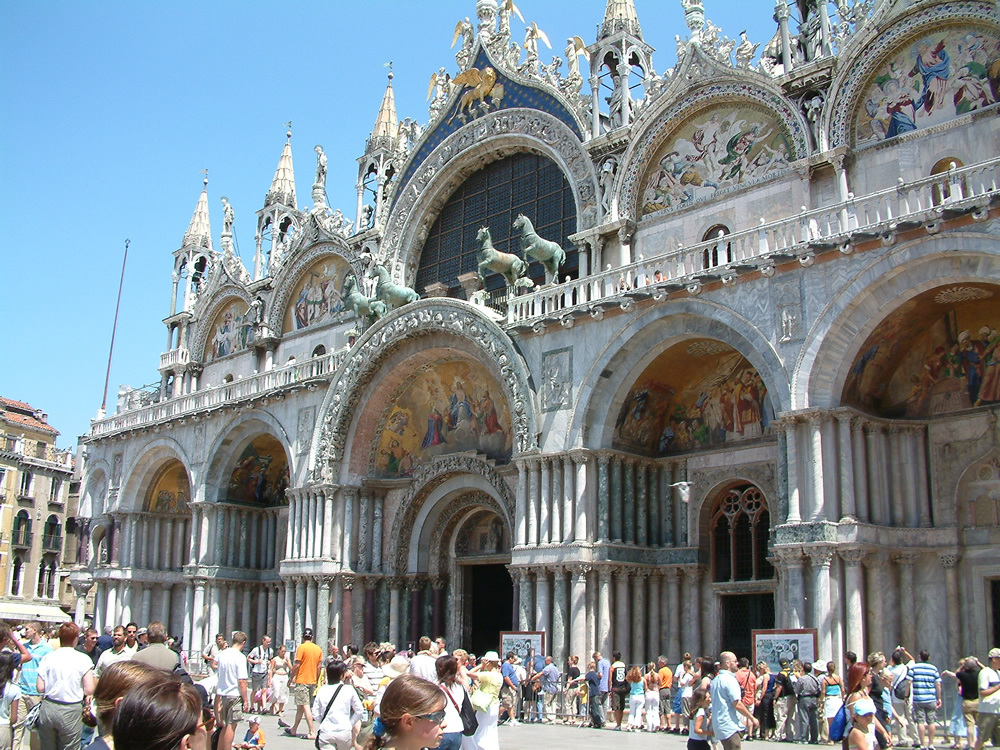
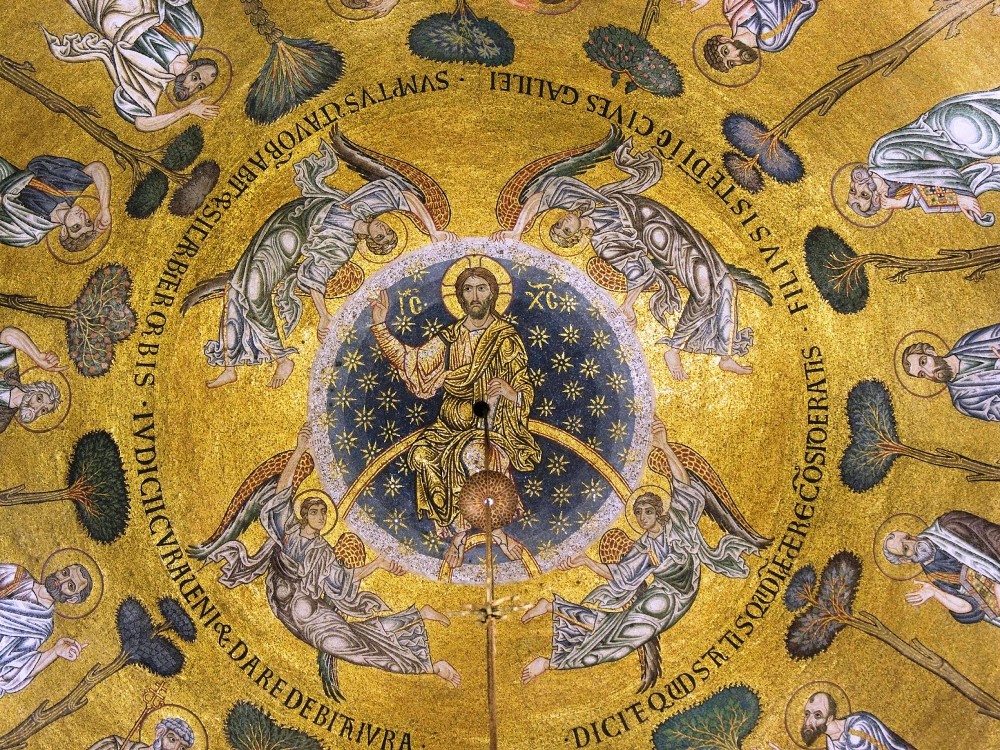
There is no building in Venice quite like the Basilica di San Marco — and very few buildings anywhere in the world that pack so much history, art and theological symbolism into a single space. The golden mosaics that cover virtually every interior surface were laid over a period of eight centuries, and each tells a story that most visitors walk past without realising. The horses of St Mark on the upper loggia are Roman originals, brought back from Constantinople after the Fourth Crusade in 1204. The Pala d’Oro — the golden altarpiece behind the high altar — is considered one of the finest examples of Byzantine goldsmithing in existence.
Practical note: free entry to the main basilica, but advance reservation is strongly recommended in high season. The Treasury and the Museo Marciano (loggia and horses) require a separate ticket. A guided tour dramatically increases the experience.
The Doge’s Palace
If the Basilica is Venice’s spiritual heart, the Palazzo Ducale is its political one. For nearly seven centuries, this was where the Republic of Venice was governed — where the Doge received foreign ambassadors, where the Council of Ten made decisions that shaped the Mediterranean world, and where the greatest Venetian painters (Titian, Tintoretto, Veronese) competed to decorate the state rooms with paintings of staggering scale and quality. Tintoretto’s Paradise in the Sala del Maggior Consiglio is the largest oil painting in the world.
Practical note: book tickets in advance. The Secret Itineraries tour (Itinerari Segreti) accesses parts of the palace closed to standard visitors, including the interrogation rooms and the leads — the notorious attic prison from which Casanova famously escaped. Highly recommended.
The Rialto
The Rialto is not just a bridge — it is the oldest and most commercially important part of Venice, where the city’s merchants traded for centuries and where the world’s first bank is said to have been established. The morning market on the Grand Canal side of the bridge is one of the last genuinely functioning traditional markets in Venice, selling fish, vegetables and fruit to local restaurants and residents. It is also one of the best places in the city to eat well and cheaply: the bacari around the Rialto serve cicchetti — small bites of cured fish, salt cod, polpette (meatballs) and seasonal vegetables — that represent some of the most honest and delicious food in Italy.
The Grand Canal
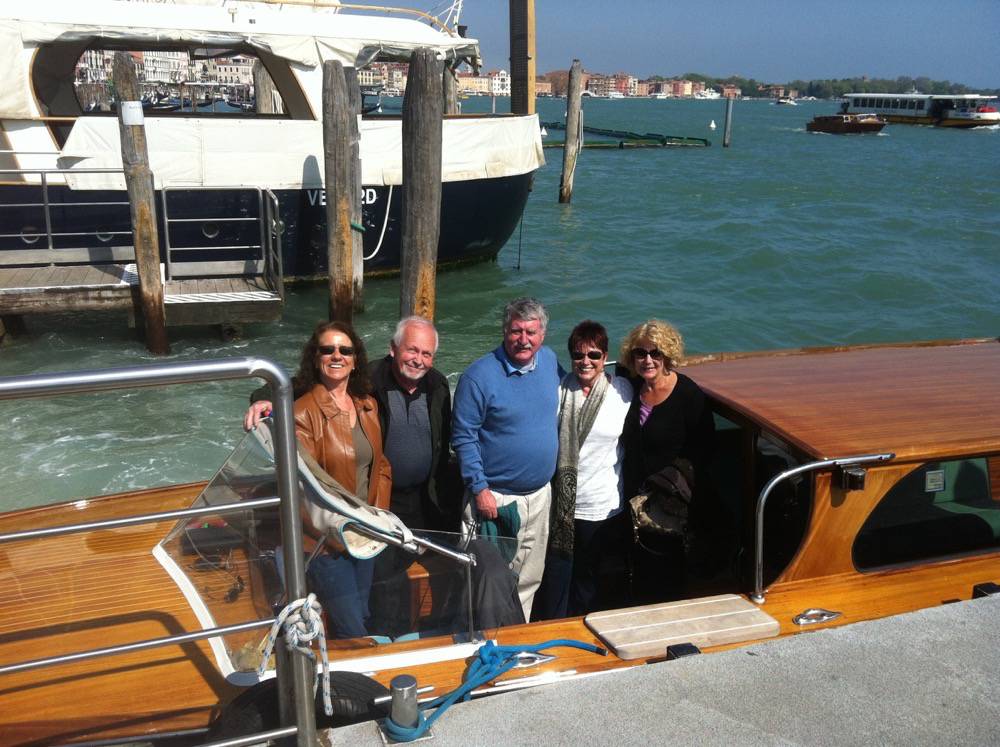
Venice’s main artery is lined on both sides by some of the finest Gothic, Renaissance and Baroque palaces in the world. From Ca’ d’Oro in the north to the Salute at the southern entrance, every building along the Grand Canal has a story — of merchant dynasties, of artistic patronage, of political intrigue and extraordinary wealth. The vaporetto (line 1) is the slowest and cheapest way to travel the length of the canal and offers excellent views from the open deck at the front or back. A private water taxi or private boat tour gives you far more flexibility, allows you to stop and look at specific buildings, and provides the perspective — low on the water, at the pace of the tide — for which the palaces were originally designed.
Dorsoduro and the Zattere
The sestiere of Dorsoduro is, for many people who know Venice well, the most liveable and genuinely Venetian part of the historic centre. It is home to the Accademia Galleries (the finest collection of Venetian Renaissance painting in the world), the Peggy Guggenheim Collection (modern and contemporary art in a palazzo on the Grand Canal), the Campo Santa Margherita (one of the most active and authentic social spaces in the city) and the Zattere promenade along the southern waterfront. In a single afternoon in Dorsoduro, you can move between world-class art, genuine neighbourhood life and some of the best light in Venice — particularly in the late afternoon, when the sun drops behind the Giudecca and the water turns gold.
DIY vs Private Guided Tour: An Honest Comparison
The question almost every visitor to Venice asks is whether to explore independently or to book a guided tour. Here is an honest comparison of both approaches for a one-day visit.
| Private Guided Tour | DIY / Self-Guided | |
| Queue management | Skip-the-line entry included | Up to 2+ hours queuing at peak times |
| Context and meaning | Expert interpretation of every sight | Guidebook / audio guide only |
| Navigation | Local guide knows every shortcut | Risk of getting genuinely lost |
| Flexibility | Itinerary adapts to your pace | Fully self-directed |
| Hidden gems | Access to places most tourists miss | Limited without local knowledge |
| Time efficiency | Maximised — no wasted time | Variable — depends on preparation |
| Cost | Higher upfront, lower hidden costs | Lower upfront, potential extras add up |
| Best for | First-timers, limited time, families | Repeat visitors, experienced travellers |
The honest conclusion: for a first-time visitor with a single day in Venice, a private guided tour is almost always the better investment. The city is dense, complex and — if you do not know what you are looking at — potentially overwhelming. A qualified local guide transforms the experience from a sequence of impressive but opaque images into a coherent and deeply interesting story.
For experienced travellers returning to Venice for the second or third time, the balance shifts — and a hybrid approach (guided tour in the morning, independent exploration in the afternoon) often works very well.
What Venice Guide and Boat Offers for a One-Day Visit
Venice Guide and Boat has designed a range of private tours specifically for visitors who want to make the most of a single day in the city. All tours are conducted by qualified local guides, include skip-the-line entry to the major monuments and can be tailored to your specific interests, travel pace and group composition.
See Venice in One Day — highlights
- Essential Venice — the core itinerary covering St Mark’s Basilica, the Doge’s Palace and the Grand Canal, designed for efficiency and depth in equal measure
- Venice Must-see & Must-do — a fuller day that adds the Rialto, a Grand Canal boat section and selected neighbourhood walks
- Golden Venice — the premium option, combining the historic highlights with private water transport and additional time in the Dorsoduro
- Venice Masterpieces — for travellers with a particular interest in art, focusing on the great paintings and sculptures of the Venetian school
- Another Venice — for those returning to the city who want to move beyond the familiar and explore the quieter, less-visited sestieri
- Relaxing Venice Tour — a gentler pace, ideal for travellers who want an unhurried, comfortable day without long walks
| All tours in the See Venice in One Day category are private — your group only, with a dedicated local guide, skip-the-line entry and full flexibility on pace and focus. |
Essential Practical Tips for One Day in Venice
Book in advance
Venice’s major monuments — particularly St Mark’s Basilica and the Doge’s Palace — have strict visitor number limits. In high season (March to October), walk-up entry can mean waiting two hours or more, which on a one-day visit is simply not an option. Book tickets, and if possible book a guided tour that includes skip-the-line entry, well before your visit.
Start early
Venice is at its most beautiful — and most manageable — in the early morning. By 10am in summer, the main tourist routes are becoming crowded. By midday, St Mark’s Square can be genuinely overwhelming. Arriving early and hitting the major sights before the tour groups arrive makes a measurable difference to the experience.
Eat like a local
Avoid restaurants immediately adjacent to the major sights — the food is almost always mediocre and expensive. Instead, find a bacaro near the Rialto or in one of the quieter sestieri, order cicchetti and a glass of Soave or Prosecco, and eat standing at the bar as Venetians do. It is cheaper, better and far more authentic.
Wear comfortable shoes
Venice involves walking on stone, crossing bridges (every route involves bridges — there is no alternative), and sometimes navigating narrow calli on uneven surfaces. Comfortable walking shoes are not optional.
Buy a transport pass
If you are using the public vaporetto at all, buy a day pass rather than individual tickets. Single vaporetto tickets are expensive; the day pass pays for itself quickly and saves time at every stop.
Plan your departure
Venice can be chaotic to leave in the evening, particularly in summer. If you are catching a train or a bus, build in extra time and avoid the hour immediately after major events or in the late afternoon rush.
Frequently Asked Questions
Is one day enough to see Venice?
It is enough to see the essential Venice — St Mark’s Basilica, the Doge’s Palace, the Rialto and the Grand Canal — if you plan carefully and do not waste time queuing. It is not enough to see everything, and it is important to be honest about that. A well-planned single day with a private guide will give you a genuine and meaningful experience of the city; a poorly planned day can feel rushed, crowded and superficial.
What is the most important thing to see in Venice in one day?
If you had to choose one thing, St Mark’s Basilica is the most concentrated expression of Venice’s history, wealth and artistic ambition in a single building. The Doge’s Palace is a very close second. If art is your priority, the Accademia Galleries. If you want to understand the city’s daily life, the Rialto market and a bacaro lunch tell you more about Venice than most museums.
How do I avoid the crowds in Venice?
Start before 9am, move away from the main tourist axes (the route from the station to St Mark’s is the most crowded stretch in the city), visit the major monuments early, and spend your afternoon in the Dorsoduro or Cannaregio rather than around St Mark’s. A private guided tour naturally navigates around the worst of the crowds.
Can I take a boat tour in just one day?
Absolutely. A Grand Canal boat section can be incorporated into a one-day itinerary — it is one of the most rewarding things you can do in Venice and takes relatively little time. A dedicated Venice Lagoon tour would typically require a dedicated half-day or full day, but if you are returning to Venice on a future trip, it is the natural next step after covering the historic centre.
What time should I arrive in Venice?
As early as possible. For a one-day visit, arriving by 8:30–9:00am gives you the best possible use of the day. If you are coming from outside the city, plan your transport accordingly.
One Day is Enough to Fall in Love with Venice
Venice does not require weeks to understand — though it rewards them. Even a single well-spent day in this city leaves most visitors with something they did not expect: a sense that they have glimpsed something genuinely extraordinary, and a strong desire to come back.
The travellers who leave Venice feeling they have wasted their time are almost always those who spent most of it queuing, getting lost without purpose, or eating bad food in tourist restaurants next to St Mark’s Square. The travellers who leave with a sense of wonder are those who had some help — a guide who knew where to take them, what to show them and how to tell the story.
One day in Venice, done well, is one of the great travel experiences available anywhere in the world. Venice Guide and Boat exists to help you do it well.
| Browse our See Venice in One Day tours and choose the itinerary that fits your time, your interests and your group. All tours are private, skip-the-line included, and led by qualified local guides. |

