Venice Guide and Boat
Venice in Two Days: The Perfect 48-Hour Itinerary
One day in Venice is enough to fall in love. Two days is enough to begin to understand. The difference between a 24-hour visit and a 48-hour visit to Venice is not simply a matter of more sights — it is a qualitative change in what the experience can be. With two days, you can cover the essential monuments of the historic centre and then escape them: move into the quieter sestieri, take a boat onto the lagoon, sit in a campo at aperitivo hour and begin to feel what the city is actually like rather than what it looks like from the tourist route.
This guide offers a complete, carefully sequenced two-day Venice itinerary — designed not to cram in the maximum number of sights, but to deliver the maximum depth of experience within 48 hours. Each day has a clear theme and a clear arc: Day 1 covers the essential Venice of the historic centre, the Grand Canal and the principal monuments; Day 2 escapes into the city’s other dimension — the lagoon, the outer islands, the quieter districts, the food and social life that most visitors never reach.
Both days can be enhanced significantly with private guided tours, and this guide explains where a guide makes the greatest difference and where independent exploration is both easier and more rewarding. The goal, in both cases, is the same: to leave Venice after 48 hours with the sense that you have genuinely encountered a place, not merely passed through it.
Why Two Days Is the Right Amount of Time
Venice rewards time. This is a city where the difference between a brief visit and a slightly longer one is disproportionate — where the extra hours do not simply add more of the same but open up entirely different dimensions of the experience. Two days in Venice, well spent, delivers something that two days in almost any other comparable city does not: a genuine sense of having penetrated the surface.
| 1 Day | 2 Days ✓ | 3+ Days | |
| Major monuments | Doge’s Palace, St Mark’s | All major monuments + Accademia or Ca’ Rezzonico | Full depth of all museums |
| Lagoon experience | Grand Canal only | Full lagoon tour or outer islands | Multiple lagoon experiences |
| Food experience | One meal, limited cicchetti | Rialto market + bacaro + restaurant dinner | Full culinary exploration |
| Neighbourhood exploration | San Marco only | Dorsoduro, Cannaregio or Castello too | All six sestieri |
| Evening experience | One dinner — often rushed | Sunset aperitivo + dinner at leisure | Full evening Venice |
| Pace | Rushed — difficult to slow down | One focused day + one exploratory day | Genuinely relaxed |
| Overall feeling | Glimpsed | Encountered | Understood |
| The single biggest mistake in planning a two-day Venice visit is treating it as two one-day visits. The second day should be deliberately different from the first — in pace, in geography, in the kind of experience it delivers. Day 1 covers the city you came to see; Day 2 reveals the city you didn’t know existed. |
| Day OneThe Essential Venice Grand Canal · St Mark’s · Doge’s Palace · Dorsoduro · Sunset |
The first day covers the landmarks that define Venice in the global imagination — and that are, for good reason, among the finest civic and artistic achievements in European history. The sequence is designed to hit the major monuments in the right order, at the right time of day, and with enough remaining energy and daylight to end the evening in one of the finest ways the city offers.
Morning: St Mark’s and the Doge’s Palace
The non-negotiable rule of Day 1 morning in Venice: arrive at St Mark’s Basilica before 9am. The basilica opens at 9:30am on weekdays (9am on Saturdays, 2pm on Sundays), and the queue that has formed by the time the doors open in high season can already be substantial. A private guided tour with pre-booked skip-the-line entry is the most efficient solution; independent visitors who have booked online in advance can use the priority entrance; walk-up entry requires patience.
Inside the Basilica, allow at minimum 45 minutes — more if you want to visit the Treasury (the accumulated booty of the Fourth Crusade, including some of the finest Byzantine goldsmithing in existence) and the Museum upstairs, which gives access to the Loggia and the original bronze horses of St Mark. The mosaics covering the interior — 8,000 square metres of gold-ground images, laid over nine centuries — reward careful, slow looking in a way that hurried movement through the nave does not.
The Doge’s Palace immediately follows. The most important thing to know about the Palace is that it is much larger, much more complex and much more rewarding than most first-time visitors expect. The state rooms of the piano nobile — the Sala del Maggior Consiglio with Tintoretto’s Paradise, the Sala del Collegio with Veronese’s extraordinary cycle of ceilings, the Sala del Senato — contain some of the finest painting in Venice in a setting of real political and historical drama. Allow 90 minutes minimum; two hours is better. Skip-the-line entry is essential in high season.
| 8:30 AM | Arrive at St Mark’s Square before the crowds. Coffee at one of the bars on the campo — standing, not seated (the sitting surcharge at the historic cafés is significant). The square at this hour is extraordinary. |
| 9:00 AM | Enter St Mark’s Basilica with pre-booked skip-the-line access. Work systematically through the mosaics: nave, transepts, apse, Treasury, Loggia. Allow 60–75 minutes. |
| 10:15 AM | Exit the Basilica and cross immediately to the Doge’s Palace. Pre-booked skip-the-line entry. The Secret Itineraries tour (booked separately) accesses the interrogation rooms, the Leads, and Casanova’s cell — highly recommended if booked in advance. |
| 12:00 PM | Exit the Palace. Walk north along the Riva degli Schiavoni — the great waterfront promenade — as far as the church of San Zaccaria, where Bellini’s greatest surviving altarpiece hangs above a side altar. Free entry; almost never crowded. Allow 20 minutes. |
| 12:30 PM | Lunch. Walk west from San Zaccaria through the Castello sestiere towards the Rialto. Avoid the tourist restaurants immediately around the Piazza; the bacari of the Castello and San Polo offer far better food at a fraction of the price. Cicchetti and a glass of Soave. Allow 45 minutes. |
Afternoon: Dorsoduro and the Accademia
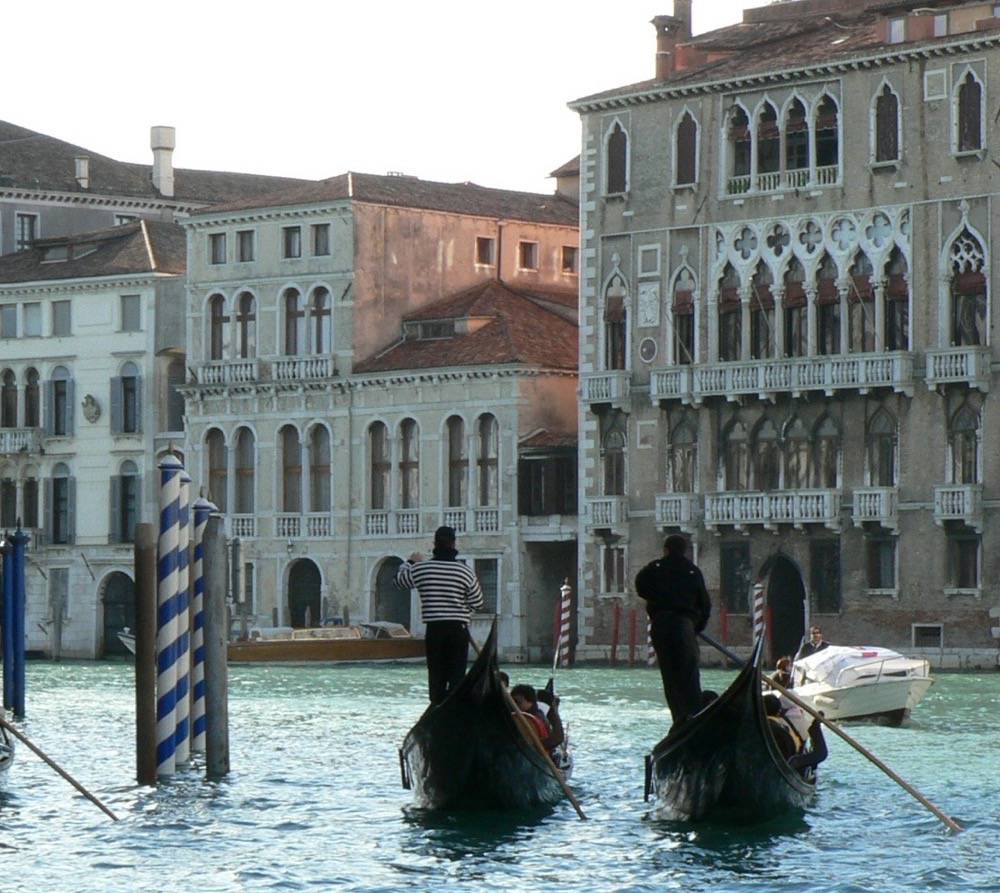
The afternoon of Day 1 is best spent in the Dorsoduro — the sestiere on the south bank of the Grand Canal that is, for many visitors who know Venice well, the most rewarding part of the city. The Accademia Galleries hold the greatest collection of Venetian painting in existence; the Peggy Guggenheim Collection offers one of the finest modern art museums in Italy; the Zattere promenade provides the best waterfront walk in Venice; and Campo Santa Margherita — the social heart of the Dorsoduro — is the finest place in the city for an evening aperitivo.
A visit to both the Accademia and the Guggenheim in the same afternoon is possible for visitors who move efficiently; most people find that choosing one and spending adequate time there is more rewarding than rushing through both. The Accademia takes a minimum of 90 minutes for the essential works; the Guggenheim takes 60–90 minutes. If time or energy is limited, the Accademia is the priority on a first visit.
| 2:00 PM | Cross the Rialto Bridge and walk south through the San Polo and Santa Croce sestieri to the Accademia Bridge — approximately 20 minutes, passing through the quiet interior of the university district. Good street photography. |
| 2:30 PM | Accademia Galleries. Essential works: Giorgione’s Tempest (Room 5), Titian’s Presentation of the Virgin (Room 24, in its original location), Tintoretto’s Saint Mark cycle (Room 10), Bellini’s San Giobbe Altarpiece (Room 2), Carpaccio’s Saint Ursula cycle (Room 21). Allow 90 minutes. |
| 4:15 PM | Walk south through the Dorsoduro to the Zattere promenade. The late afternoon light on the Giudecca canal from the Zattere is extraordinary — one of the most quietly beautiful walks in Venice. |
| 5:30 PM | Aperitivo at Campo Santa Margherita. The campo is the social heart of the Dorsoduro — large, lively, full of students, locals and the occasional visitor who has navigated beyond the main tourist route. The best bars serve a spritz or a glass of local wine with cicchetti at this hour. |
| 7:30 PM | Dinner. The Dorsoduro has excellent restaurants at all price points; book in advance for anything considered. Alternatively, cross to the Cannaregio sestiere, which has some of the finest neighbourhood trattorias in Venice and a clientele that is predominantly local. |
| 9:30 PM | Evening walk. Venice at night is a completely different city — quieter, more intimate, the reflections of the street lights in the canals creating an atmosphere that the daytime cannot produce. Cross the Accademia Bridge for the Grand Canal view. Walk back through whatever route takes you. |
| Day 1 is the Venice of the imagination — the Venice of the great monuments, the Grand Canal, the painting tradition and the extraordinary social life of the city’s most vibrant neighbourhood. It is deliberately dense, because the monuments deserve the time. Day 2 deliberately undoes that density. |
| Day TwoThe Other Venice Lagoon · Islands · Rialto Market · Cannaregio · Slow Afternoon |
Day 2 is Venice without the tourist infrastructure — or rather, Venice where you move alongside rather than inside it. The morning starts at the Rialto Market before the tourist groups arrive. The middle of the day goes onto the lagoon, either for a full Three Islands Tour (Murano, Burano, Torcello) or for a shorter, more flexible lagoon adventure. The afternoon is deliberately unstructured: the Cannaregio sestiere for slow walking, the Jewish Ghetto, a bacaro or two, and the discovery of a Venice that feels genuinely lived-in.
This day requires less pre-booking than Day 1 (the market and the sestieri need no tickets; the lagoon tour should be booked in advance) and significantly more willingness to improvise. The reward is a kind of contact with Venice that the monument-focused first day cannot provide: the feeling of being in a place rather than looking at one.
Morning: Rialto Market and breakfast
The Rialto Market operates Tuesday through Saturday, from approximately 7am to 1pm — which means that if Day 2 falls on a Sunday or Monday, this section of the itinerary requires substitution. For all other days, arriving at the pescheria (fish market) by 7:30am is one of the finest experiences available in Venice: the boats making their last deliveries, the tables filling with the morning’s catch, the chefs and restaurant buyers moving through the stalls with professional urgency.
After the market, the adjacent bacari begin serving by 9am. All’Arco or Do Mori — the oldest bacaro in Venice, operating on the same site since 1462 — are the most reliable options for a cicchetti breakfast: baccalà mantecato on polenta, a folpetto or two, a glass of Soave at 10am. This is what Venetians do.
| 7:30 AM | Rialto Market (pescheria + erberia). The fish market in the early morning — sea bass, red mullet, cuttlefish, spider crab, the seasonal moeche if the timing is right — is one of the great food spectacles in Italy. Walk slowly. Look at everything. Ask the vendors what is fresh. |
| 9:00 AM | Cicchetti breakfast at All’Arco or Do Mori. Baccalà mantecato, polpette, a glass of house white. Standing at the bar, as Venetians do. Budget €10–15 per person. |
| 10:00 AM | Walk north through the San Polo sestiere to the church of the Frari — the most important church in Venice for painting. Titian’s Assumption of the Virgin above the high altar. His Pesaro Altarpiece on the left nave wall. Bellini’s luminous sacra conversazione in the sacristy. Allow 30–40 minutes. |
| 10:45 AM | Scuola Grande di San Rocco, immediately adjacent to the Frari. Tintoretto’s lifetime decorative cycle — more than 50 paintings covering walls and ceilings throughout the building. Henry James called it ‘the most perfect work of genius in Venice’. Allow 30 minutes. |
| 11:30 AM | Return to the water. Depart for the lagoon tour from a central Venice landing stage. |
Late morning and afternoon: The lagoon
The second half of Day 2 on the water is the structural heart of this itinerary — the moment when the two-day visit moves from the city into the world that created it. There are two options, depending on available time and priorities.
Option A: Three Islands Tour (full half-day, 11:30am–4:30pm). Murano, Burano and Torcello — the glass island, the colour island and the ancient island — in a single private boat excursion. The most comprehensive lagoon experience available in a single half-day. Requires advance booking with Venice Guide and Boat.
Option B: Venice Lagoon Adventure (flexible, 2–3 hours). A more open-ended private boat tour of the outer lagoon — the salt marshes, the fishing grounds, the quiet channels between the islands — without the structured stop-by-stop format of the Three Islands Tour. Better for visitors who want atmosphere over accumulation of sights.
Option C: Venice Sunset Tour (afternoon departure, 3:30pm). If Day 2 falls on an evening with a good weather forecast, the Sunset Tour — departing in the late afternoon and timing the return to coincide with golden hour on the lagoon — combines the lagoon experience with the finest visual spectacle Venice offers. Prosecco included. This version leaves the morning free for the Rialto and the Frari/San Rocco combination.
| 11:30 AM | Depart for the lagoon from a central Venice landing stage. Morning light on the open water is extraordinary — particularly in spring and autumn. |
| 12:00 PM | Murano (Three Islands option): Glass Museum (Museo del Vetro) + glassblowing demonstration. Allow 75 minutes. OR open lagoon channels and salt marsh exploration (Lagoon Adventure option). |
| 1:45 PM | Brief lunch stop — either at a restaurant on Murano or a simple picnic on the boat. The guide can recommend options according to the season and the group’s preferences. |
| 2:30 PM | Torcello (Three Islands option): Cathedral of Santa Maria Assunta, Byzantine mosaics, the silence of the oldest island in the lagoon. Allow 60–75 minutes. |
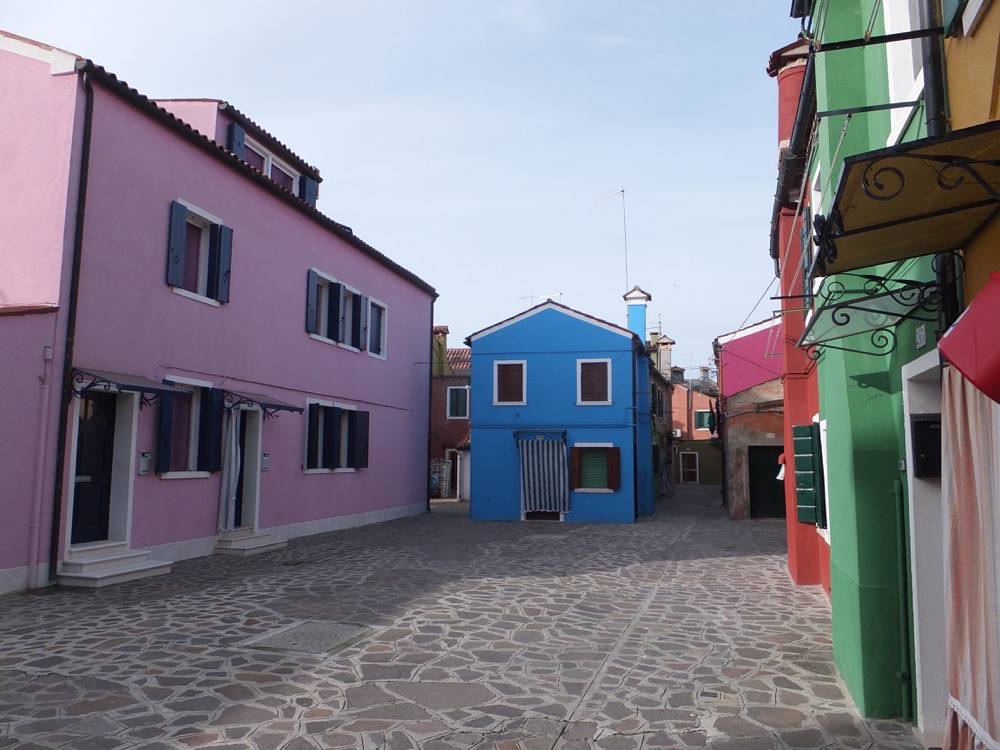
| 4:00 PM | Burano (Three Islands option): coloured houses, Lace Museum, Via Galuppi for gelato and photography. Allow 75 minutes. OR return towards Venice via the outer lagoon (other options). |
| 5:30 PM | Return to Venice by private boat. The late afternoon approach to the city across the lagoon — with the domes and campaniles of the historic centre visible from a distance — is one of the finest arrivals available anywhere. |
Evening: Cannaregio and the Jewish Ghetto
The evening of Day 2 is best spent in Cannaregio — the northernmost sestiere of Venice, the most residential, and the one that most tourists who stick to the main route from the station to St Mark’s pass through without stopping. Cannaregio contains the Jewish Ghetto — the oldest in the world, established in 1516, and one of the most historically layered places in Venice — as well as some of the finest local restaurants in the city, a concentration of bacari on the Fondamenta della Misericordia and the Fondamenta degli Ormesini, and the long, quiet fundamenta along the northern waterfront that are among the most atmospheric evening walks in Venice.
| 6:30 PM | Arrive in Cannaregio. Walk through the Jewish Ghetto — the Campo del Ghetto Nuovo, the oldest continuously inhabited Jewish neighbourhood in the world, with its remarkably tall buildings (built high because the Ghetto’s footprint could not expand) and its extraordinary atmosphere of layered history. |
| 7:30 PM | Aperitivo on the Fondamenta della Misericordia or the Fondamenta degli Ormesini. These long canals, lined with bacari and local bars, are where young Venetians spend their evenings. The atmosphere is entirely different from the tourist-facing bars of the San Marco area. |
| 9:00 PM | Dinner. Cannaregio has some of the finest neighbourhood trattorias in Venice — places with no English menu outside and a clientele that is overwhelmingly local. Book in advance. Ask the guide for recommendations specific to the season and the group’s tastes. |
| Day 2 is Venice without the tourist itinerary — the Venice of the market, the lagoon, the quiet sestieri, the neighbourhood bars and the local restaurants. It is the day that most visitors to Venice never have, because they don’t stay long enough. It is, for many people, the day they remember longest. |
Venice Guide and Boat Tours for a Two-Day Visit
A two-day visit to Venice offers the possibility of combining tours in a way that a single day does not. The following combinations are designed to deliver the maximum depth of experience across the two days.
| Day 1 · Venice Must-see & Must-doFull historic centre highlightsCovers St Mark’s Basilica, Doge’s Palace, Rialto and Grand Canal boat section with skip-the-line entry and expert guide. The most efficient possible Day 1 in the historic centre. | Day 1 · Highlights of VeniceFocused monument tourA more focused version covering the two principal monuments with depth — ideal for visitors who want to spend longer in each site rather than covering more ground. |
| Day 2 · Three Islands TourFull lagoon day — Murano, Burano, TorcelloThe definitive lagoon experience from Venice — a full half-day private boat tour covering all three outer islands with expert guide and museum entry included. | Day 2 · Venice Lagoon AdventureOpen lagoon explorationA more flexible private boat tour of the outer lagoon — the salt marshes, channels and fishing grounds that most visitors never see. Better for atmosphere than for sightseeing. |
| Day 1 · Venetian Painting Tour (Accademia)Art history in depthA private expert-led tour of the Accademia Galleries — Giorgione, Titian, Tintoretto, Veronese, Bellini — for visitors whose Day 1 priority is painting rather than monuments. | Day 2 · Business and Faith in RialtoMarket, history and cicchettiExpert-guided morning at the Rialto Market — the pescheria, the erberia, the bacari, the history of Venice’s commercial heart — ending with a cicchetti tasting. Perfect Day 2 morning. |
| Day 1 · See Venice in One Day — RelaxingSlower, gentler first dayA paced, unhurried tour of the essential Venice for visitors who prefer a calmer pace — fewer sights, more time at each, with space to sit, look and absorb. | Day 2 · Venice Sunset TourGolden hour on the lagoonAn afternoon/evening private boat tour timed for golden hour on the lagoon — the finest visual experience Venice offers, ending with the city lit against the evening sky. |
| The most popular two-day combination: Day 1 morning — Venice Must-see & Must-do (historic centre with skip-the-line); Day 2 — Three Islands Tour (full lagoon day). This covers the two most important dimensions of the Venetian experience — the city and the water — in a balanced, unhurried sequence. |
Alternative Two-Day Itineraries
The standard itinerary above is designed for first-time visitors who want to cover the essential Venice in both its dimensions. For returning visitors, or for those with specific interests, the following alternatives offer different balances.
For art lovers
Day 1: Venetian Painting Tour of the Accademia in the morning (2 hours with a specialist guide), followed by Ca’ Rezzonico in the afternoon (90 minutes) — covering the full arc of Venetian painting from the 14th to the 18th century in the two finest art museums in the Dorsoduro.
Day 2: Doge’s Palace in the morning (with the Secret Itineraries tour for maximum depth), followed by the church of the Frari and the Scuola Grande di San Rocco in the afternoon — covering the greatest civic and religious painting commissions in Venice.
For food and culture lovers
Day 1: Business and Faith in Rialto tour in the morning (market, history, cicchetti), followed by a free afternoon in the Dorsoduro — Zattere, Campo Santa Margherita, the bacari of the neighbourhood.
Day 2: Three Islands Tour in the morning and early afternoon (Murano, Burano, Torcello), with the Venice Boat Tour and Dinner option for the evening — dinner on one of the outer lagoon islands, returning to Venice by private boat in the dark.
For returning visitors
Day 1: A Venetian Palace tour (Ca’ Rezzonico) in the morning, followed by an afternoon in the Cannaregio sestiere — the Jewish Ghetto, the northern fundamenta, the church of the Madonna dell’Orto with its important Tintorettos.
Day 2: Venice Sustainable Tourism tour — Venice Secret Gardens, Venice Craft Heritage, or Foreigners in Venice — for a completely different perspective on a city already partially known.
For families with children
Day 1: Private family-focused tour of the Doge’s Palace (with storytelling pitched to younger visitors — the prison, the armour, the giant paintings) and a Grand Canal boat section in the afternoon.
Day 2: Three Islands Tour — the glassblowing demonstration on Murano is consistently the highlight for children; Burano’s colours delight all ages; Torcello requires patience from the youngest but rewards older children with the mystery of the ancient cathedral.
Essential Practical Tips for Two Days in Venice
| Book in advance | Doge’s Palace and St Mark’s skip-the-line entry, Three Islands Tour or lagoon boat tour, dinner reservations at good restaurants. In high season, book 2–3 weeks ahead. |
| Transport pass | Buy a 48-hour vaporetto pass on arrival — it pays for itself within the first day and saves time at every stop. Available at any ACTV ticket office. |
| Start early both days | Venice before 10am is a different city from Venice at noon. Both days begin early; this is non-negotiable in high season. |
| Rialto Market timing | The market operates Tuesday–Saturday, 7am–1pm. If Day 2 falls on Sunday or Monday, substitute the Frari/San Rocco morning and find cicchetti at a bacaro near Campo Santa Margherita instead. |
| Walking shoes | Both days involve significant walking on stone. Comfortable, broken-in shoes are essential. Blisters are the most common reason visitors don’t enjoy Venice. |
| Cash | Many bacari and market vendors do not accept card payments. Carry €50–80 in cash for market visits, cicchetti and small purchases. |
| Weather contingency | Venice in rain is beautiful. Keep a compact waterproof in a bag at all times; umbrella is fine for walking, less practical on a boat. The museums are excellent in bad weather. |
| Accommodation | Stay in the historic centre, not on the mainland. The experience of Venice in the early morning and evening — when most day visitors have left — is one of the greatest pleasures of a two-day stay. It is only available if you are sleeping in the city. |
Frequently Asked Questions
Is two days enough for Venice?
Two days is enough to have a genuinely meaningful experience of Venice — to cover the essential historic centre, spend time on the lagoon, and develop a real sense of what the city is and how it works. It is not enough to see everything, and it is important to be honest about that. But two days, well spent and well guided, delivers an experience that most visitors find deeply satisfying and that leaves them with a strong desire to return — which is perhaps the best evidence that the two days did their work.
Should I book both days as guided tours?
Not necessarily. Day 1, which covers the major monuments, benefits significantly from a private guided tour — skip-the-line entry is practically essential in high season, and the interpretation of the Doge’s Palace and the Accademia is substantially richer with an expert guide. Day 2, which is more exploratory in character, can be partly or wholly independent — the Rialto Market and the sestieri walking needs no guide, and many visitors find the independence of Day 2 a refreshing contrast to the guided structure of Day 1. The lagoon tour on Day 2, however, is significantly better private and with a guide.
What is the best time of year for a two-day Venice visit?
May and October are the finest months for a two-day visit. Both offer good weather, manageable crowds, excellent light and the full range of experiences available. June is good but moving into high season; September offers the Regata Storica and the end of summer with thinning crowds. July and August are viable but require earlier starts, more advance booking and lower expectations about midday conditions. November through March is excellent for the atmosphere, the light and the prices — with the caveat that acqua alta is a possibility from October onwards.
Can I do the Three Islands Tour and the historic centre highlights in two days?
Yes — and this is the most popular two-day combination. The standard format is: Day 1, historic centre (Doge’s Palace, St Mark’s, Grand Canal, Accademia or Dorsoduro); Day 2, Three Islands Tour (Murano, Burano, Torcello by private boat). This covers the two most important dimensions of the Venetian experience — the city and its lagoon — in a balanced, unhurried sequence. Venice Guide and Boat offers both as private tours and can coordinate the booking.
Where should I stay for two days in Venice?
The historic centre, without question. The difference between staying in Venice and staying in Mestre (the mainland suburb) is the difference between a two-day Venice experience and a day-trip experience replicated twice. The early mornings and late evenings in the historic centre — when the day-trippers have left and the city settles into its own rhythm — are among the finest hours available in Venice, and they are only accessible to those who are actually sleeping in the city.
Two Days: Enough to Begin
The paradox of Venice is that it is simultaneously one of the easiest cities to visit superficially and one of the hardest to visit well. Its surface — the canals, the gondolas, the domes and bridges and reflections — is so visually overwhelming that many visitors mistake the experience of being overwhelmed for the experience of understanding. They leave Venice having seen it without having encountered it.
Two days — structured carefully, paced intelligently, with the right combination of guided depth and independent exploration — changes this. On the first day, you see the Venice that has made the city famous. On the second day, you begin to see what lies behind that fame: the lagoon world that created the city, the social life that animated it, the food and the wine and the quiet neighbourhoods that are still, despite everything, the real Venice.
That is the Venice that most visitors are looking for. Two days is exactly enough to begin to find it.
| Planning a two-day visit to Venice? Venice Guide and Boat offers the full range of private tours for both days — from the historic centre highlights with skip-the-line entry to the Three Islands lagoon tour, the Rialto Market and the sunset experience. Contact us to build the two-day itinerary that fits your interests, your group and your time. |

